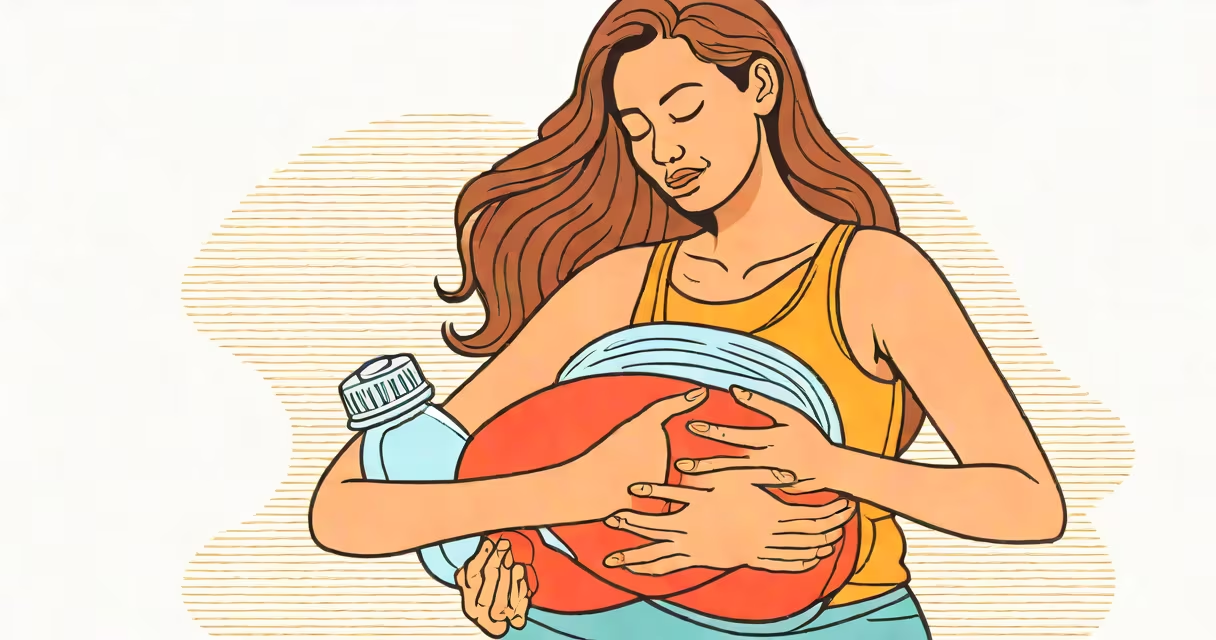
Period cramps, or dysmenorrhea, occur when the uterus contracts to shed its lining. To soothe them, combine heat therapy, light exercise, and anti-inflammatory foods.
Applying heat relaxes uterine muscles and reduces pain signals. A 2020 study in Journal of Obstetrics and Gynaecology found heat therapy as effective as ibuprofen for some users.
| Method | Effectiveness | Time to Relief |
|---|---|---|
| Heat therapy | Moderate to high | 5-15 minutes |
| Over-the-counter pain relievers (ibuprofen, naproxen) | High | 20-30 minutes |
| Light exercise (walking, yoga) | Moderate | 10-20 minutes |
| Anti-inflammatory foods (ginger, turmeric, dark leafy greens) | Low to moderate | Hours to days |
Most women experience cramps during their menstrual cycle, typically lasting 1-3 days. Mild cramps may only need heat or light movement. Severe pain lasting longer than a week warrants a doctor visit.
Cramps result from prostaglandins, hormone-like compounds triggering uterine contractions. Reducing inflammation through diet or medication can help.
Some believe lying down and resting is the best approach. However, light activity often helps more. Others think caffeine worsens cramps, but research shows mixed results-some find it helps, others don't.
Another myth is that period cramps are always normal. While common, extremely painful cramps may indicate conditions like endometriosis or fibroids. If pain disrupts daily life, consult a healthcare provider.
Start with a heating pad on your lower abdomen for 15 minutes. Take a walk for 10 minutes to boost circulation. Drink ginger tea to reduce inflammation. If pain persists, consider an over-the-counter pain reliever like ibuprofen.
I've used this method myself during particularly bad cramps. The combination of heat, movement, and anti-inflammatory foods usually brings relief within 30 minutes.
For more ways to help relieve period cramps, explore natural remedies and lifestyle changes. If you're supporting someone else, learn how to help a girlfriend with period cramps.