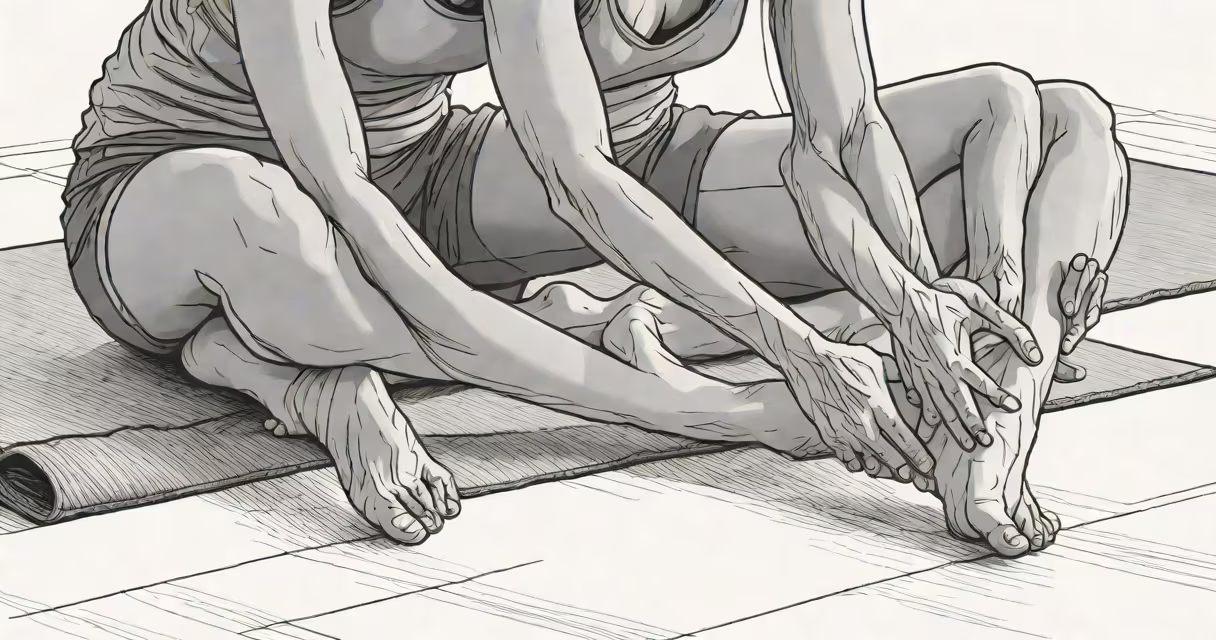
Sore legs after a workout occur due to microscopic muscle damage and inflammation from intense exercise. To alleviate this discomfort, focus on hydration, gentle stretching, and adequate rest.
Delayed onset muscle soreness (DOMS) typically peaks 24-72 hours post-exercise. This happens because eccentric contractions-lengthening muscles under load-cause microtears in muscle fibers. The body repairs these tears, leading to soreness and stiffness.
To reduce soreness, start with light activity like walking or cycling to increase blood flow. Hydration is critical; aim for at least 16 ounces of water post-workout. Electrolytes, especially sodium and potassium, help replenish lost minerals.
Gentle stretching can improve flexibility and reduce tightness. Focus on major muscle groups like quadriceps, hamstrings, and calves. Avoid static stretches before workouts, as they can weaken muscles. Instead, opt for changing stretches post-workout.
Severe or persistent pain may indicate an injury rather than typical DOMS. Swelling, sharp pain, or inability to bear weight require medical evaluation. Overuse injuries, such as stress fractures or tendonitis, often mimic muscle soreness but need different treatment.