Period cramps, or dysmenorrhea, occur when the uterus contracts to shed its lining. To relieve them, combine heat therapy, over-the-counter pain relievers, and lifestyle adjustments.
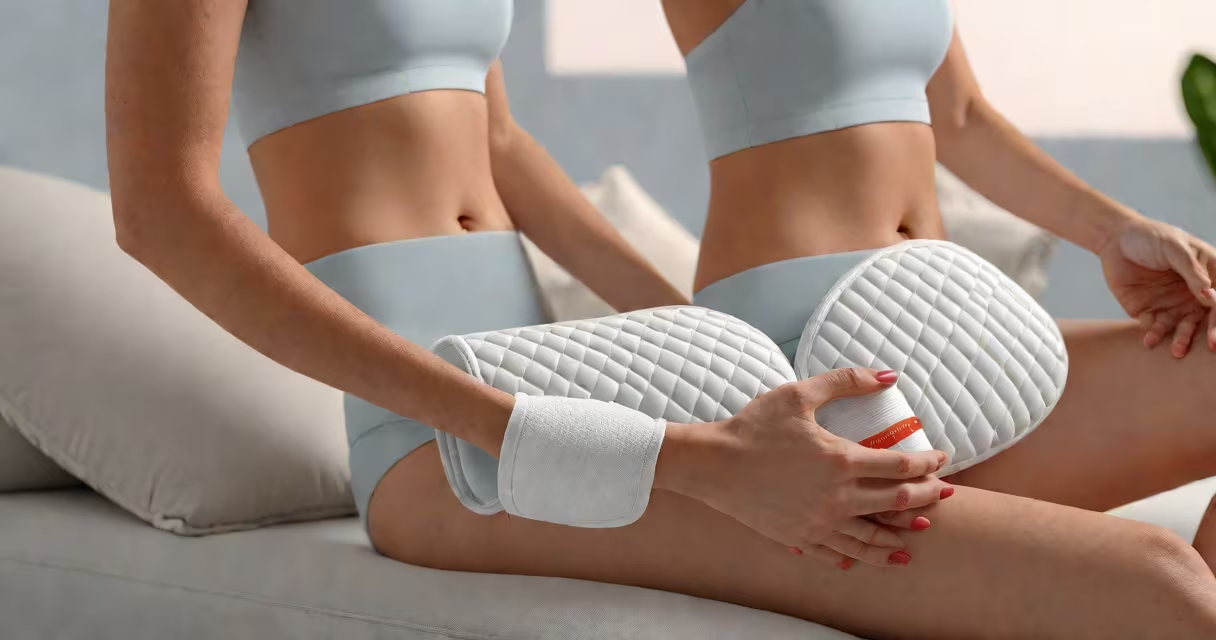
A heating pad or hot water bottle applied to the lower abdomen increases blood flow and relaxes uterine muscles. Studies show heat therapy can reduce pain as effectively as ibuprofen. I've found a continuous low-level heat wrap (like those designed for menstrual pain) works better than intermittent heating.
| Method | Effectiveness | Onset Time |
|---|---|---|
| Heat therapy | Moderate to high | 5-15 minutes |
| NSAIDs (e.g., ibuprofen) | High | 20-30 minutes |
| Exercise (e.g., walking, yoga) | Moderate | 10-20 minutes |
| Hydration and magnesium supplements | Low to moderate | 30-60 minutes |
Most women experience cramps during the first few days of their period. Mild cramps may respond to lifestyle changes, while severe pain often requires medication. The American College of Obstetricians and Gynecologists recommends NSAIDs as first-line treatment for menstrual pain.
Many believe caffeine worsens cramps, but research is inconclusive. Some studies suggest caffeine may even help by improving mood and energy. Another myth is that lying down helps-actually, light exercise can reduce pain by increasing endorphins.
For immediate relief, take 200-400 mg of ibuprofen at the first sign of cramps, then apply a heating pad to the lower abdomen. After 30 minutes, go for a 15-minute walk. This combination targets pain through multiple pathways: blocking prostaglandins (ibuprofen), relaxing muscles (heat), and releasing endorphins (exercise).