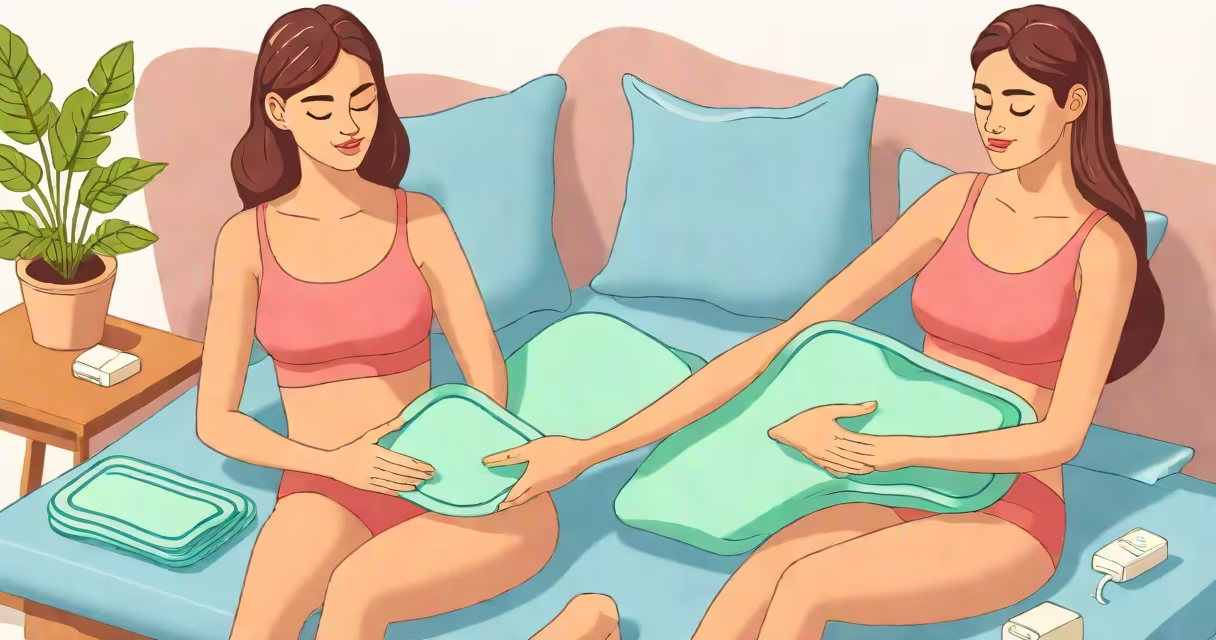
Period stomach aches, or menstrual cramps, happen when the uterus contracts to shed its lining. These contractions can cause mild discomfort or severe pain. Most menstrual cramps occur just before and during the first few days of a period.
Menstrual cramps result from the release of prostaglandins, chemicals that trigger uterine muscle contractions. These contractions reduce blood flow to the uterus, causing pain. The pain can range and may feel like a dull ache, sharp pain, or spasms in the lower abdomen.
There are two main types of menstrual cramps:
Several effective methods can help alleviate menstrual cramps:
| Method | How It Helps |
|---|---|
| Heat therapy | Applying a heating pad or hot water bottle to the lower abdomen relaxes uterine muscles and reduces pain. |
| Over-the-counter pain relievers | Nonsteroidal anti-inflammatory drugs (NSAIDs) like ibuprofen or naproxen reduce inflammation and pain. |
| Hydration | Drinking plenty of water helps reduce bloating and cramping. |
| Exercise | Light exercise like walking or yoga increases blood flow and releases endorphins, which act as natural painkillers. |
| Dietary changes | Avoiding caffeine, salt, and fatty foods can reduce cramping. Foods rich in calcium, magnesium, and vitamin B6 may help. |
While menstrual cramps are common, severe or persistent pain may indicate an underlying condition. Consult a healthcare provider if cramps interfere with daily activities, worsen over time, or are accompanied by heavy bleeding, nausea, or diarrhea. Conditions like endometriosis or fibroids require medical treatment.
I've found that applying a heating pad and taking ibuprofen about 30 minutes before my period starts reduces my cramps. Combining these methods with light exercise and staying hydrated makes a noticeable difference.