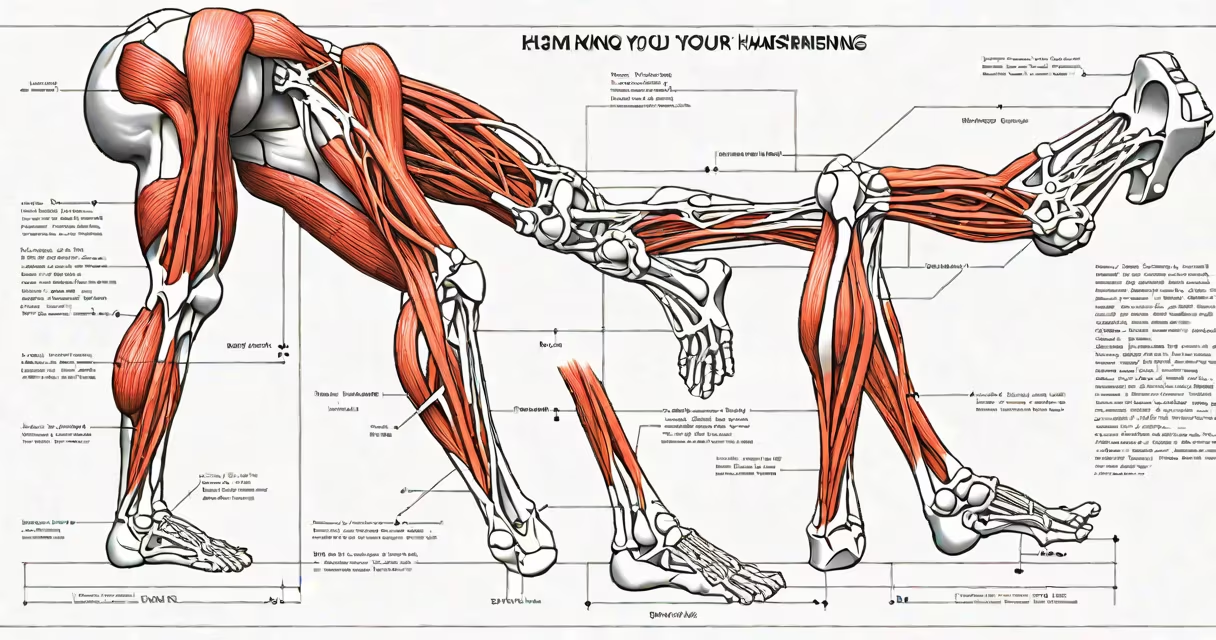
A hamstring strain happens when one or more of the three muscles at the back of your thigh overstretch or tear. You'll typically feel sudden pain during exercise, along with immediate weakness or bruising.
Hamstring strains are common in athletes, especially those who play sports involving sprinting or quick direction changes. The injury ranges from mild (grade 1) to severe (grade 3), with recovery times varying.
The hamstrings consist of three muscles: the semitendinosus, semimembranosus, and biceps femoris. These muscles help bend the knee and extend the hip. When overstretched beyond their limits, the muscle fibers tear, causing pain and limiting movement.
| Grade | Description | Symptoms | Recovery Time |
|---|---|---|---|
| 1 | Mild damage with a few torn fibers | Mild tenderness, slight pain when stretching or contracting the muscle | 1-3 weeks |
| 2 | Partial tear with more fibers damaged | Moderate pain, noticeable swelling, bruising, difficulty walking | 4-8 weeks |
| 3 | Complete tear of the muscle or tendon | Severe pain, significant swelling, bruising, inability to walk or move the leg | 3-6 months |
Many people confuse hamstring strains with other injuries like groin strains or hip flexor issues. Unlike these, hamstring injuries are felt at the back of the thigh and often occur during high-speed running or sudden stops.
Another mistake is assuming all hamstring injuries require surgery. Most heal with proper rest and rehabilitation. Surgery is only needed for complete tears or when conservative treatments fail.
Last year, I felt a sharp pain in my thigh while sprinting during a soccer game. I couldn't finish the match and had to limp off the field. The next day, my thigh was swollen and bruised. A doctor confirmed it was a grade 2 hamstring strain. After six weeks of rest, ice, compression, and elevation (RICE method), along with physical therapy, I fully recovered.
If you suspect a hamstring injury, see a doctor if you experience severe pain, can't walk without significant limping, or notice substantial swelling and bruising. A professional can diagnose the injury's severity and recommend appropriate treatment.
For mild cases, you can manage symptoms at home using the RICE method. Over-the-counter pain relievers can help reduce discomfort. Gradually introduce gentle stretching and strengthening exercises as pain decreases.
To prevent future hamstring injuries, warm up properly before exercise, strengthen your hamstrings and other leg muscles, and avoid sudden increases in exercise intensity. Listen to your body and stop activities if you feel pain.