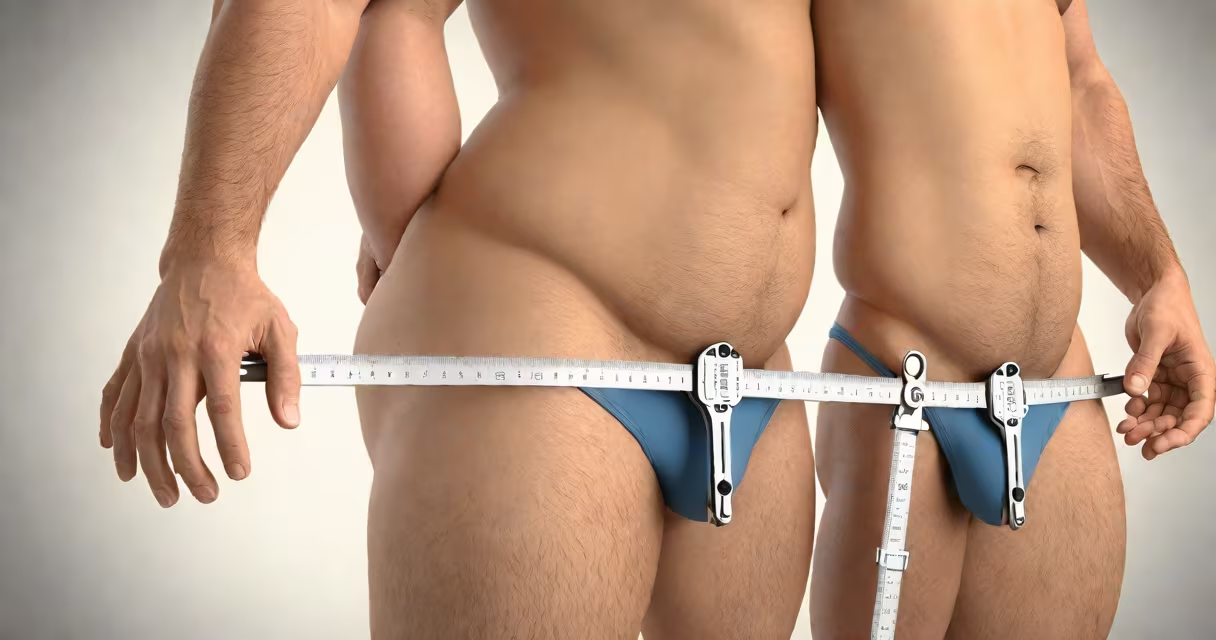
Body fat percentage measures the proportion of fat in your body compared to lean mass. To assess it accurately, use tools like skinfold calipers, bioelectrical impedance scales, or DEXA scans.
Most methods estimate body fat by measuring variables like skinfold thickness, electrical resistance, or bone density. The accuracy varies: lab-grade tools like DEXA scans (dual-energy X-ray absorptiometry) offer precise readings, while home methods like waist-to-hip ratio provide rough estimates.
| Method | Accuracy | Example |
|---|---|---|
| Skinfold Calipers | Moderate | Measuring fat folds at the abdomen, thigh, and back with calipers |
| Bioelectrical Impedance | Low to Moderate | Standing on a scale that sends mild electrical currents through your body |
| DEXA Scan | High | Lying on a table while a machine scans your body for fat, muscle, and bone density |
| Waist-to-Hip Ratio | Low | Measuring waist and hip circumferences with a tape measure |
Fitness trainers, nutritionists, and healthcare providers use body fat measurements to assess health risks like heart disease or diabetes. Athletes track body fat to improve performance, while individuals monitor progress during weight loss or muscle gain programs.
For example, a body fat percentage between 10% and 20% for men and 20% to 30% for women is generally considered healthy. Higher percentages may indicate increased health risks, while lower percentages could signal underweight conditions.
Many people confuse body fat percentage with body weight or BMI (body mass index). BMI only estimates body fat based on height and weight, ignoring muscle mass. A muscular athlete might have a high BMI but low body fat percentage.
Another mistake is assuming all body fat is unhealthy. Essential fat, which supports reproductive function and organ protection, differs from storage fat linked to health risks. Women naturally have higher essential fat levels than men.
To measure body fat with calipers, pinch the skinfold at three to seven sites (e.g., abdomen, thigh, and back). Record each measurement in millimeters, then plug the numbers into a body fat formula. For instance, the U.S. Navy formula estimates body fat percentage for men as:
(86.010 × log10(abdomen + thigh + neck)) - (70.041 × log10(height)) + 36.76This method provides a moderate-accuracy estimate suitable for home use.
I once used skinfold calipers to track my body fat during a fitness challenge. By measuring weekly and adjusting my diet and exercise, I reduced my body fat percentage by 3% in six weeks.