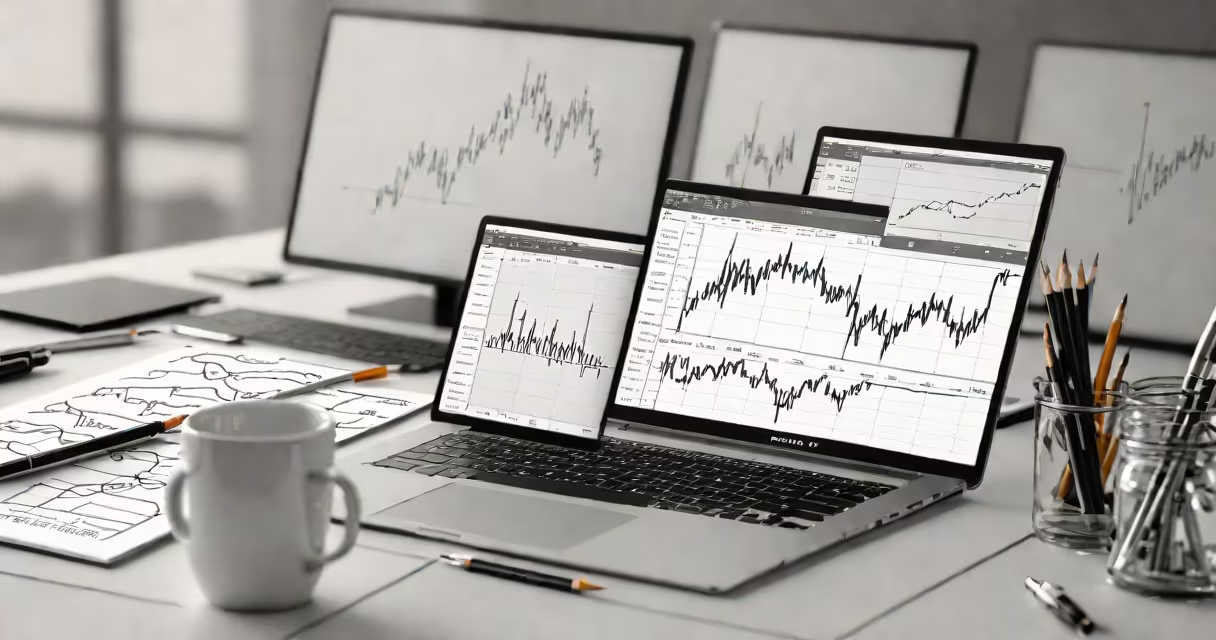
Silver futures are standardized contracts to buy or sell a set amount of silver at a predetermined price and date. These financial instruments allow traders to speculate on silver prices or hedge against price fluctuations.
Each silver futures contract represents 5,000 troy ounces of silver. Traders can go long (bet on rising prices) or short (bet on falling prices). Contracts are settled either by physical delivery of silver or cash settlement, depending on the exchange rules.
The price of silver futures fluctuates based on supply and demand, economic indicators, geopolitical events, and market sentiment. Unlike physical silver, futures trading doesn't require owning the metal, making it accessible with lower capital requirements.
| Exchange | Contract Size | Trading Hours |
|---|---|---|
| CME Group (COMEX) | 5,000 troy ounces | Nearly 24/5 |
| London Metal Exchange (LME) | 25 tonnes | 01:00 - 19:00 GMT |
Most retail traders focus on CME Group's COMEX division due to its accessibility and liquidity. The LME offers larger contract sizes suited for institutional investors.
Silver futures offer several advantages over physical silver ownership:
Contrary to popular belief, silver futures aren't just for professional traders. Retail investors can participate through regulated brokers offering futures trading platforms.
Another myth is that futures trading requires extensive knowledge. While understanding the basics is important, many platforms offer educational resources and demo accounts to practice trading strategies.
Complete the account application process and deposit funds. Most brokers require a minimum deposit, typically between $1,000-$5,000 for futures trading privileges.
Familiarize yourself with contract sizes, expiration dates, and margin requirements. For COMEX silver futures, each contract controls 5,000 ounces of silver.
Use technical analysis, fundamental analysis, or both to identify potential trading opportunities. Monitor economic reports, inflation data, and industrial demand for silver.
Decide whether to go long or short based on your analysis. Enter the order details, including the number of contracts and price parameters.
Set stop-loss orders to limit potential losses. Monitor your position and adjust as needed based on market conditions.
Exit your trade before the contract expires to avoid delivery obligations. Most traders close positions days or weeks before expiration.
Silver futures carry significant risks, including:
Always use proper risk management techniques, such as position sizing and stop-loss orders, to protect your capital.
For those uncomfortable with futures contracts, consider these alternatives:
Each alternative has its own advantages and trade-offs compared to direct futures trading.
Trading silver futures offers an efficient way to gain exposure to silver price movements with lower capital requirements than physical ownership. By understanding the mechanics of futures contracts, choosing a suitable broker, and implementing sound risk management strategies, traders can participate in this changing market.
Remember, successful futures trading requires continuous education, disciplined strategy execution, and emotional control. Start with small positions and gradually increase exposure as you gain experience.