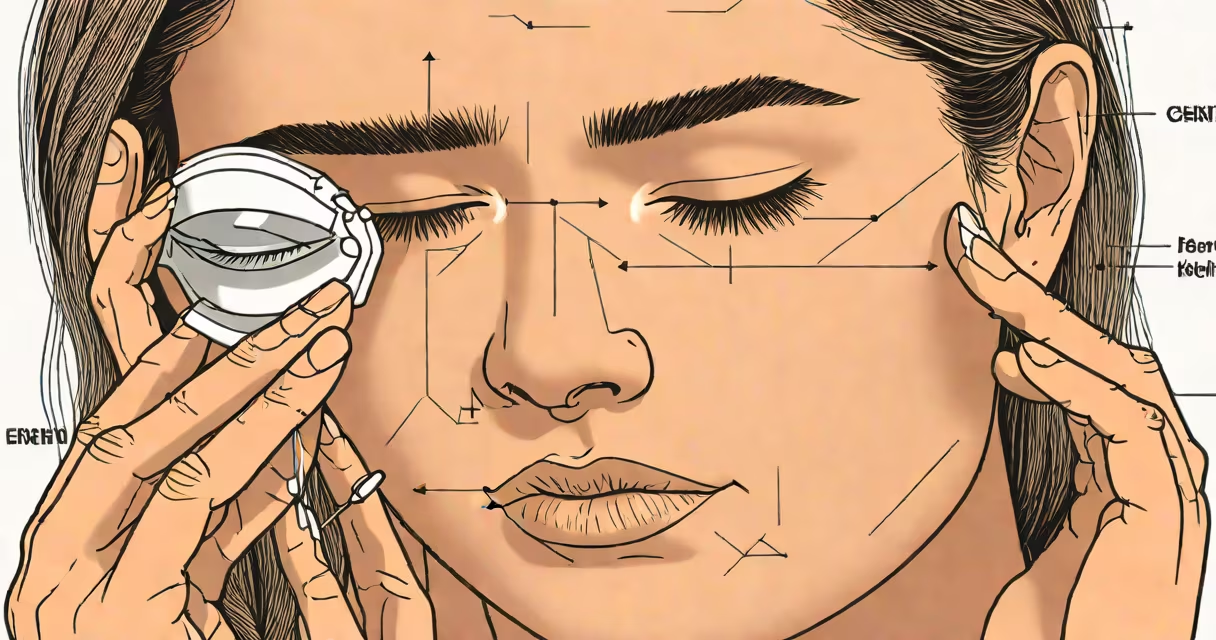
Eyelid irritation treatment involves removing irritants, reducing inflammation, and promoting healing with gentle remedies. Most cases improve within days using these methods.
Irritation occurs when eyelids contact allergens, pathogens, or physical irritants. The body responds with redness, swelling, and itching as immune cells rush to the area. Common triggers include makeup, pollen, contact lenses, or bacterial infections.
Irritation falls into three categories:
| Type | Causes | Duration |
|---|---|---|
| Allergic | Makeup, pollen, pet dander | Hours to days |
| Infectious | Bacteria, viruses, fungi | Days to weeks |
| Mechanical | Contact lenses, rubbing | Minutes to hours |
Most cases resolve quickly, but persistent irritation may require medical attention. For example, styes caused by bacterial infections often need antibiotic treatment.
Eyelids have thin skin and delicate tissues, making them prone to irritation. The area around the eyes has more oil glands than other facial areas, which can become clogged and inflamed. People who wear makeup or contact lenses frequently experience irritation due to prolonged exposure to potential irritants.
Many people assume eyelid irritation is always caused by allergies. However, infections and mechanical irritation are equally common. Another myth is that rubbing the eyes helps relieve irritation, but this often worsens the condition by introducing more bacteria or allergens.
If your eyelids become irritated after wearing new makeup, follow these steps:
Over-the-counter treatments work for most cases, but prescription medications may be necessary for severe or persistent irritation. Antibiotic ointments treat bacterial infections, while steroid creams reduce inflammation from allergic reactions. Always consult a doctor before using any medication near the eyes.
To minimize recurrence, wash hands before touching eyes and remove makeup nightly. Replace makeup products every 3 months and avoid sharing eye makeup with others. For contact lens wearers, follow proper cleaning and replacement schedules to prevent irritation.