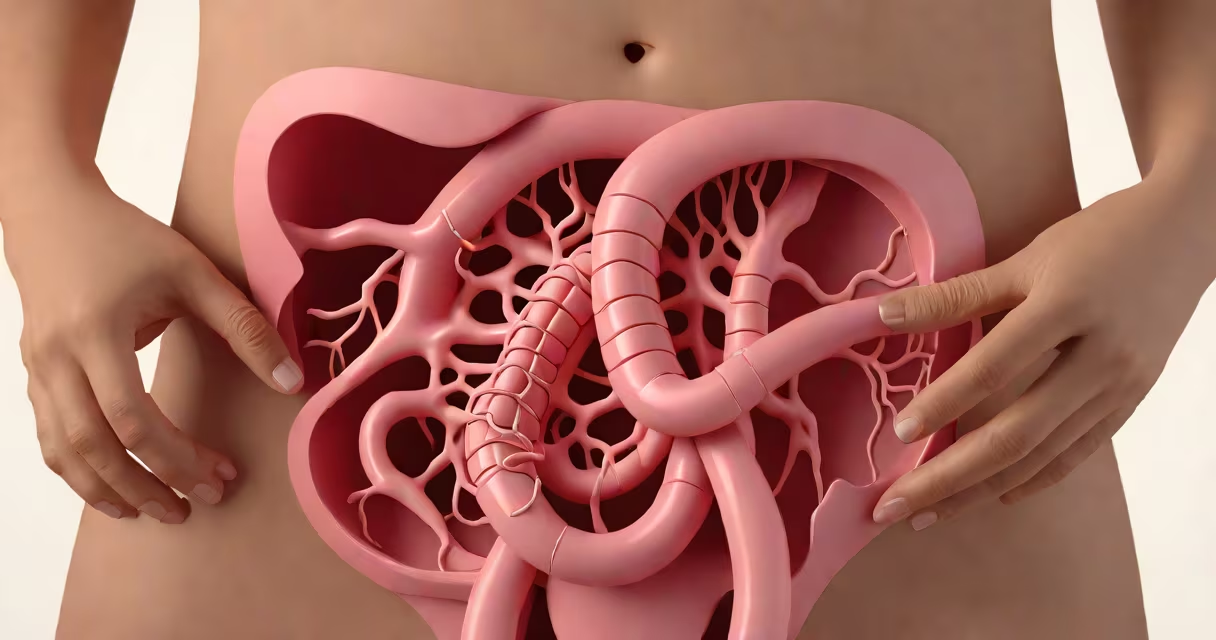
Internal rectal bleeding occurs when blood vessels in the rectum or lower colon are damaged, causing blood to appear in stool or from the anus. This condition ranges and requires immediate medical attention if large amounts of blood are present.
The rectum is the final section of the large intestine, ending at the anus. Bleeding in this area can result from various conditions affecting the blood vessels, tissues, or surrounding organs. The blood may appear bright red or dark, depending on its source and how long it has been in the digestive tract.
Internal rectal bleeding can stem from several sources:
Less commonly, internal rectal bleeding can result from colorectal cancer, infections, or other systemic diseases.
Symptoms of internal rectal bleeding vary but often include:
If you notice large amounts of blood or experience symptoms like dizziness or confusion, seek immediate medical care.
Doctors diagnose internal rectal bleeding through physical exams, medical history reviews, and tests such as colonoscopies or sigmoidoscopies. Treatment depends on the underlying cause:
For persistent or recurring bleeding, further evaluation is necessary to rule out serious conditions like colorectal cancer.
Consult a healthcare provider if you experience rectal bleeding, especially if it is accompanied by other symptoms like abdominal pain, weight loss, or changes in bowel habits. Immediate medical attention is important if you pass a large amount of blood or feel lightheaded.
Internal rectal bleeding can be alarming, but prompt medical care can help identify and treat the underlying cause effectively. Always consult a healthcare professional for personalized advice and treatment options.