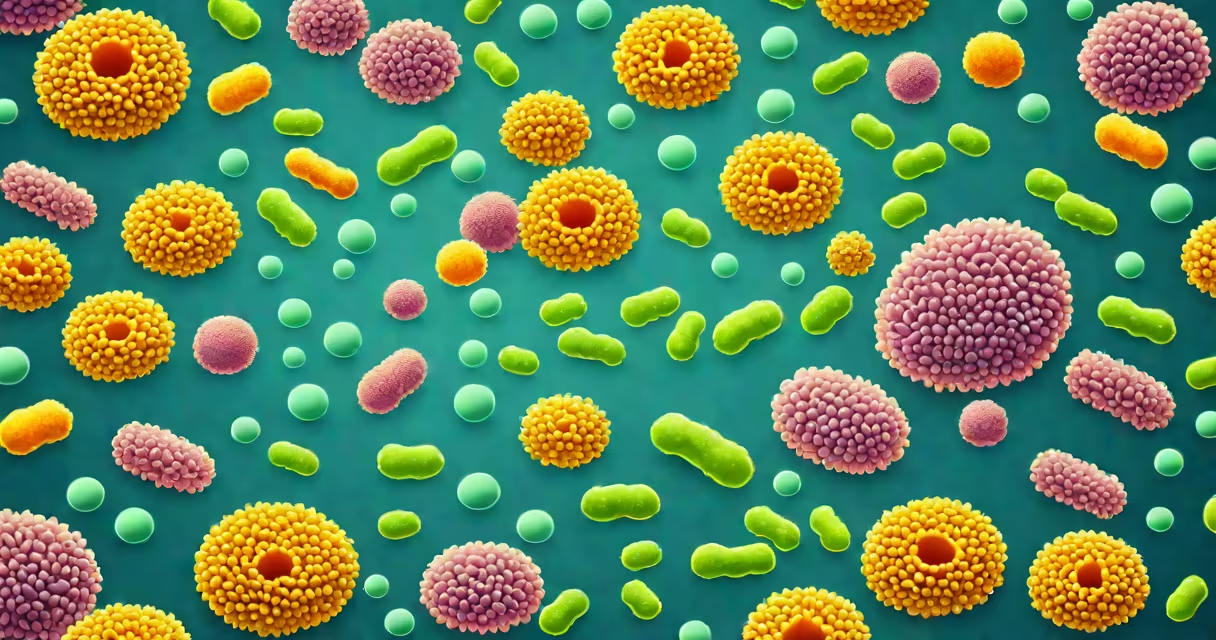
An internal bacterial infection occurs when bacteria invade and multiply inside the body, often causing systemic illness. These infections can affect various organs and systems, leading to severe complications if untreated.
Bacteria enter the body through various routes, including wounds, ingestion, inhalation, or sexual transmission. Once inside, they can spread through the bloodstream or lymphatic system, reaching internal organs. The immune system typically fights off these invaders, but some bacteria produce toxins or evade immune defenses, leading to infection.
Internal bacterial infections can be classified based on the affected area or the type of bacteria involved. Common types include:
The reasons for these infections vary. Some common causes include:
Many people confuse internal bacterial infections with viral infections. Unlike viruses, bacteria are living organisms that can be treated with antibiotics. However, overuse of antibiotics has led to antibiotic-resistant bacteria, making some infections harder to treat.
Another misconception is that all bacterial infections are severe. While some can be life-threatening, others are mild and resolve on their own. For instance, a minor skin infection caused by Staphylococcus aureus might only require topical treatment.
Treatment for internal bacterial infections typically involves antibiotics. The choice of antibiotic depends on the type of bacteria and the severity of the infection. For example, penicillin is effective against Streptococcus bacteria, while doxycycline may be used for Chlamydia infections.
In severe cases, hospitalization may be required for intravenous antibiotics and supportive care., anti-bacterial treatments like probiotics can help restore natural flora and prevent future infections.
Understanding the nature of internal bacterial infections is important for timely diagnosis and treatment. If you suspect an internal bacterial infection, consult a healthcare professional immediately.