Ischemic colitis is a condition where inflammation occurs due to reduced blood flow to the colon. The Mayo Clinic recommends a specific diet to manage symptoms and promote healing, typically starting with a low-fiber diet to reduce strain on the colon.
The diet for ischemic colitis focuses on easing digestion and reducing inflammation. The Mayo Clinic suggests a gradual return to normal eating habits as symptoms improve. Initially, patients may need to avoid high-fiber foods that can irritate the colon. As healing progresses, fiber intake can be slowly increased under medical supervision.
The Mayo Clinic outlines several food categories that are generally safe and beneficial during recovery:
This diet is primarily used during the acute phase of ischemic colitis when symptoms such as abdominal pain, cramping, and diarrhea are most severe. The goal is to allow the colon to heal by minimizing irritation. Once symptoms subside, patients can gradually reintroduce higher-fiber foods under the guidance of a healthcare provider.
According to the Mayo Clinic, ischemic colitis often resolves within a few days to weeks with proper dietary management and medical treatment. However, recurrent episodes may require long-term dietary adjustments to prevent flare-ups.
One common misconception is that a low-fiber diet is only necessary during the initial stages of ischemic colitis. However, some patients may need to follow a modified diet even after symptoms resolve to prevent recurrence. Another mistake is assuming that all dairy products are off-limits; while some may cause discomfort, probiotic-rich options like yogurt are often recommended.
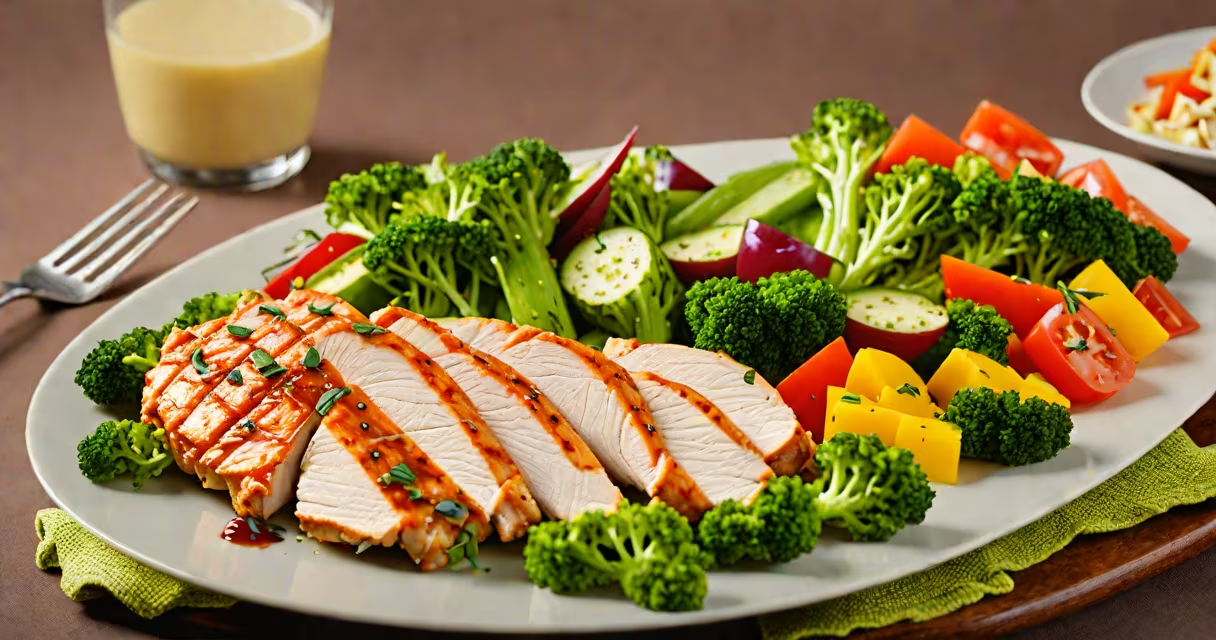
Consider a patient diagnosed with ischemic colitis who initially experiences severe abdominal pain and diarrhea. Following the Mayo Clinic guidelines, they start with a low-fiber diet consisting of white rice, steamed carrots, and grilled chicken. Over the next week, as symptoms improve, they gradually introduce small amounts of higher-fiber foods like whole grains and raw vegetables, monitoring their body's response. By the third week, they can resume a more balanced diet, ensuring they avoid known triggers.
In my experience working with patients recovering from ischemic colitis, adherence to the diet plan improves recovery times and reduces the likelihood of complications. Close collaboration with a registered dietitian helps all nutritional needs are met while the colon heals.