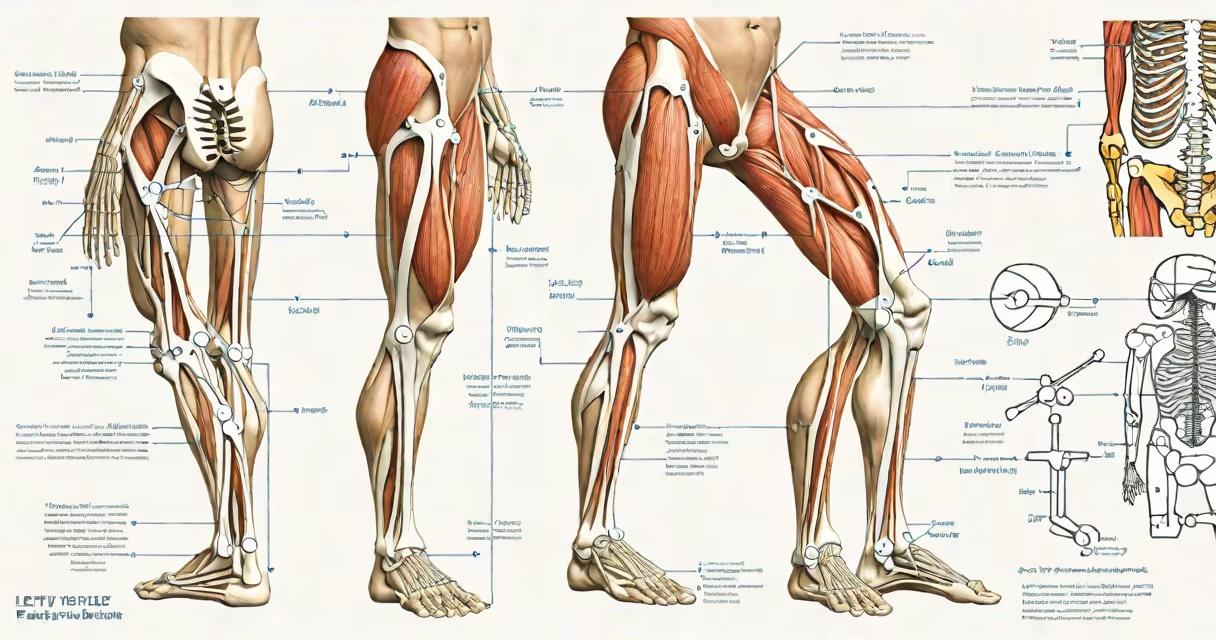
Left hip flexor pain occurs when the iliopsoas muscle group (comprising the psoas major, psoas minor, and iliacus muscles) becomes strained, inflamed, or tight. This pain typically manifests as sharp discomfort in the front of the hip or groin area, often worsening with movement.
The iliopsoas muscles connect the spine to the femur, playing a important role in lifting the knee toward the body (hip flexion) and rotating the thigh. When these muscles are overworked-common among runners, cyclists, and desk workers-they can become tight or torn, leading to pain. Left-side dominance in activities or posture can exacerbate the issue.
Overuse is the primary cause of left hip flexor pain, often seen in athletes who repeatedly engage in explosive movements like sprinting or kicking. Sedentary lifestyles also contribute, as prolonged sitting shortens the hip flexors, making them prone to strain. Poor form during exercise, sudden increases in activity level, or muscle imbalances (such as weak glutes) can further stress the hip flexors.
A study published in the Journal of Orthopaedic & Sports Physical Therapy found that 25% of runners experience hip flexor-related pain annually, often due to repetitive impact and improper stride mechanics. Non-athletes may develop pain from prolonged sitting, which compresses the hip flexors and reduces blood flow, slowing recovery.
Symptoms vary but often include:
Diagnosis typically involves a physical exam to assess muscle strength, flexibility, and pain triggers. Imaging tests (like MRI or ultrasound) may confirm tears or inflammation if symptoms persist.
Mild cases often improve with rest, ice, compression, and elevation (RICE). Gentle stretching and strengthening exercises-such as seated hip flexor stretches or clamshells for glute activation-help restore balance. Physical therapy may be recommended for persistent pain, focusing on correcting movement patterns and improving core stability.
For severe strains or tears, medical interventions like corticosteroid injections or surgery may be necessary. A 2021 study in the American Journal of Sports Medicine reported that 80% of athletes treated with a combination of rest, rehab, and gradual return to activity recovered fully within six weeks.
I once treated recurring left hip flexor pain by incorporating daily hip mobility drills and reducing prolonged sitting. Within three weeks, the discomfort diminished, reinforcing the importance of proactive care.
Consult a healthcare provider if pain persists beyond two weeks, worsens suddenly, or is accompanied by swelling, numbness, or difficulty walking. These could indicate a more serious injury, such as a fracture or nerve compression.