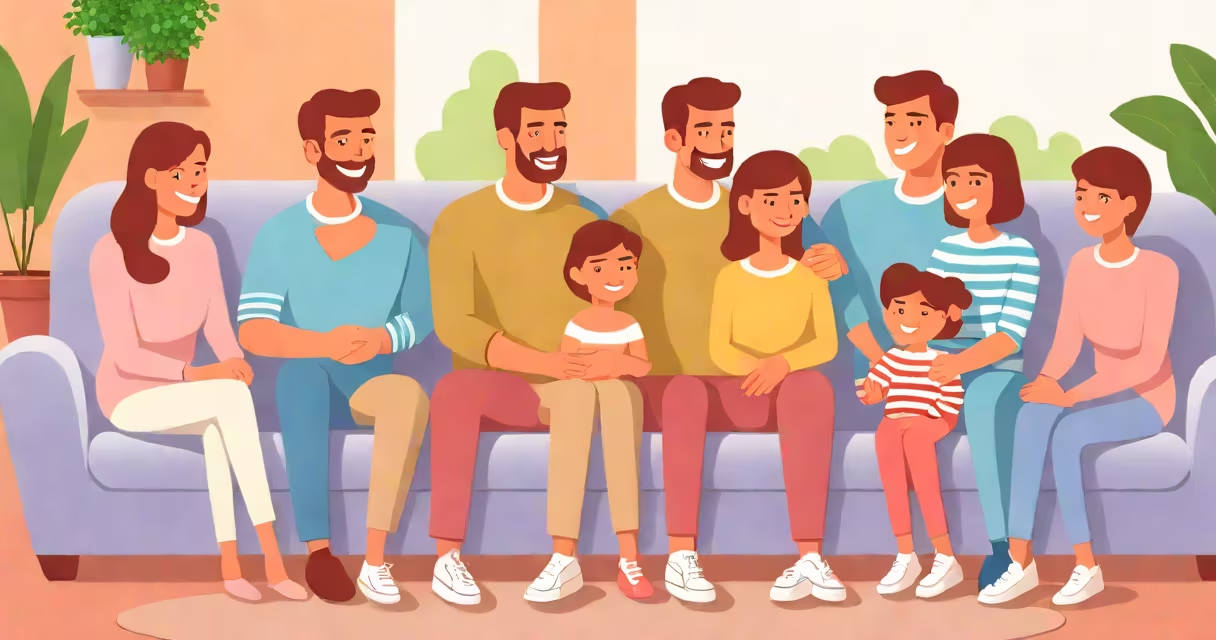
A love language for family describes how each member prefers to give and receive affection, such as through words of affirmation or physical touch. These preferences shape emotional connections within households.
Love languages, a concept developed by Dr. Gary Chapman, categorize ways people express and feel loved. In families, understanding these preferences fosters deeper emotional connections. For example, one child might thrive on verbal praise, while another feels most loved through shared activities.
The five love languages apply to family dynamics:
| Type | Description | Example |
|---|---|---|
| Words of Affirmation | Verbal expressions of love and appreciation | "I'm so proud of how you helped your sister today" |
| Quality Time | Undivided attention during shared activities | Weekly family game nights without phones |
| Acts of Service | Helpful actions that ease burdens | Making breakfast for everyone on Sunday mornings |
| Physical Touch | Affectionate contact like hugs or pats on the back | High-fives after school sports games |
| Receiving Gifts | Thoughtful presents that show you care | Handmade cards for birthdays |
Research shows that understanding love languages improves family relationships by reducing misunderstandings. A 2018 study published in the Journal of Family Psychology found that families who communicated their preferences experienced lower conflict levels. For instance, a teen might withdraw if they feel unloved when their primary love language is quality time, but parents might assume words of affirmation would suffice.
Many assume love languages are the same for all family members. In reality, preferences often differ. My sister and I had this experience - she felt most loved through acts of service, while I preferred quality time. Recognizing this helped us communicate better during stressful periods.
Another mistake is assuming love languages stay constant. Life changes can alter preferences. A young child might love physical touch, but as they grow, quality time becomes more important.
Start conversations about how each person feels most loved. You can take assessments like the one on Dr. Chapman's website or observe what makes family members light up. For example, if your partner always initiates hugs, physical touch might be their primary love language.
Once identified, incorporate these preferences daily. Small adjustments make big differences. If your spouse values acts of service, help with chores without being asked. If your child loves quality time, schedule regular one-on-one outings.
Remember, love languages aren't about grand gestures. Consistency in small, meaningful actions strengthens family bonds more effectively than occasional big surprises. The key is paying attention to what truly matters to each individual.