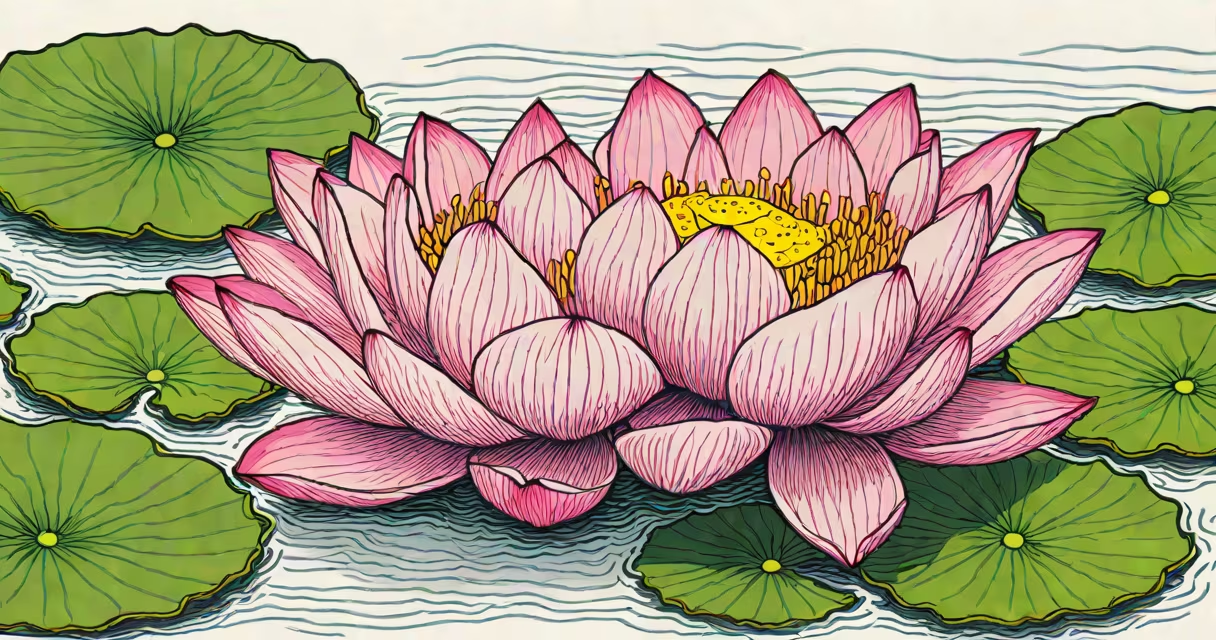
The lotus flower nelumbo nucifera is an aquatic plant known for its large, fragrant blooms that rise above the water's surface. Native to Asia, it thrives in shallow ponds and slow-moving rivers.
Nelumbo nucifera grows from rhizomes, underground stems that store nutrients. Leaves and flowers emerge from long stalks that grow through the water. The plant prefers warm climates and full sun, with water temperatures between 70-80°F (21-27°C).
Each lotus flower opens in the morning and closes at night, repeating this cycle for several days. The seeds are contained in a hard, spherical pod that floats when mature.
| Type | Color | Bloom Time |
|---|---|---|
| American Lotus | Yellow | Summer |
| Sacred Lotus | Pink | Late spring to early fall |
| Red Lotus | Red | Summer |
In ancient Egypt, the lotus was linked to creation myths and the sun god Ra. Today, it remains a popular motif in jewelry, textiles, and architecture.
Many people confuse the lotus flower nelumbo nucifera with the water lily (nymphaea). While both are aquatic plants, lotus flowers have circular leaves with visible veins, whereas water lilies have heart-shaped leaves.
Another myth is that lotus flowers grow only in tropical regions. They thrive in temperate zones as well, provided they receive enough sunlight and warmth.
The lotus flower nelumbo nucifera has practical uses beyond its aesthetic appeal. Its seeds are edible and rich in protein, often used in Asian cuisine. The roots are also consumed as a vegetable, while the petals are used in traditional medicines for their anti-inflammatory properties.
In my garden, I grew a small pond specifically to cultivate nelumbo nucifera. Watching the flowers bloom each morning was a rewarding experience, and the plant attracted various pollinators, enhancing the local system.
The lotus flower nelumbo nucifera is more than just a beautiful aquatic plant; it's a symbol of resilience and purity that has captivated cultures for centuries. Whether grown for its aesthetic appeal or harvested for its nutritional benefits, the lotus remains a cherished part of natural and cultural heritage.