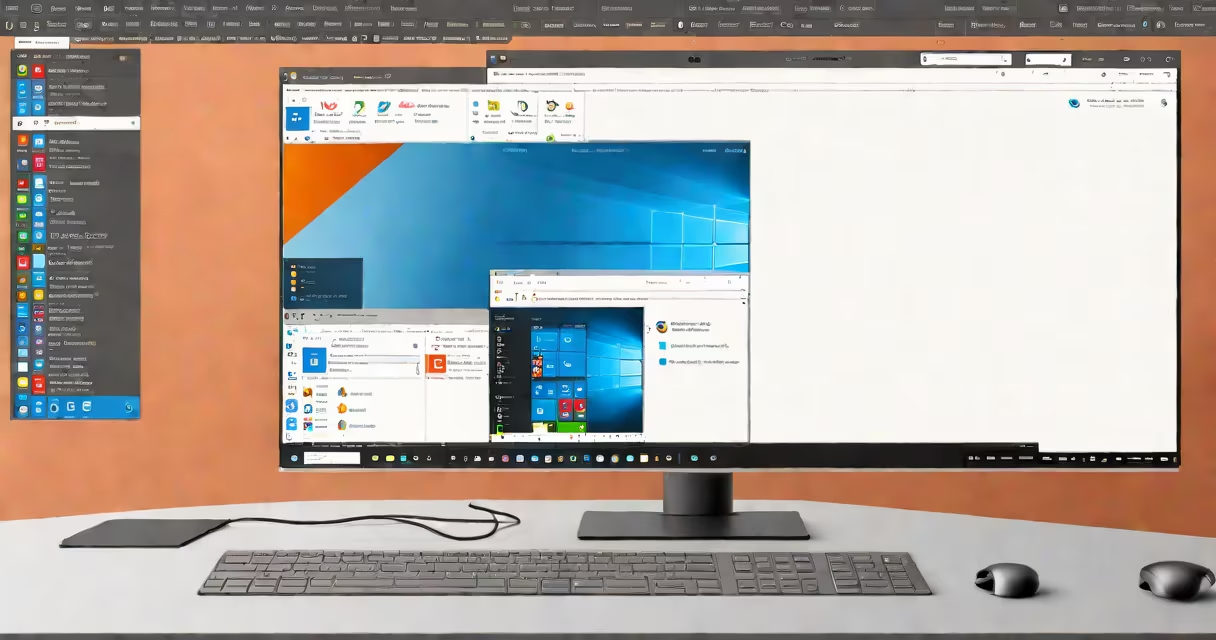
Microsoft Windows is a graphical operating system developed by Microsoft, running on billions of devices worldwide since 1985. It provides a user-friendly interface for managing hardware and software resources.
Windows acts as an intermediary between users and computer hardware. When you click an icon or run an application, Windows translates that request into instructions the computer's processor can execute. The operating system manages memory allocation, file storage, device drivers, and security protocols.
For example, when you play a video game, Windows loads the game files into memory, communicates with your graphics card to render images, and processes input from your keyboard and mouse. This happens in milliseconds due to Windows' optimized architecture.
Windows holds approximately 75% of the desktop operating system market share (StatCounter, 2023). This dominance stems from several factors:
A common misconception is that Windows is proprietary and closed-source. While the core operating system remains proprietary, Microsoft has released portions as open-source, including the Windows Calculator app and components of Windows Subsystem for Linux.
People often confuse the Windows operating system with Microsoft Office, which is a separate productivity set including Word, Excel, and PowerPoint. Another frequent mix-up occurs between Windows and macOS, Apple's operating system for Macintosh computers.
During my time as a tech support specialist, I encountered countless Windows-related issues. One particularly memorable case involved a user who couldn't print documents. After troubleshooting, we discovered the printer driver was incompatible with their Windows version. We resolved this by downloading the correct driver from the manufacturer's website - a common solution for many hardware compatibility issues in Windows.