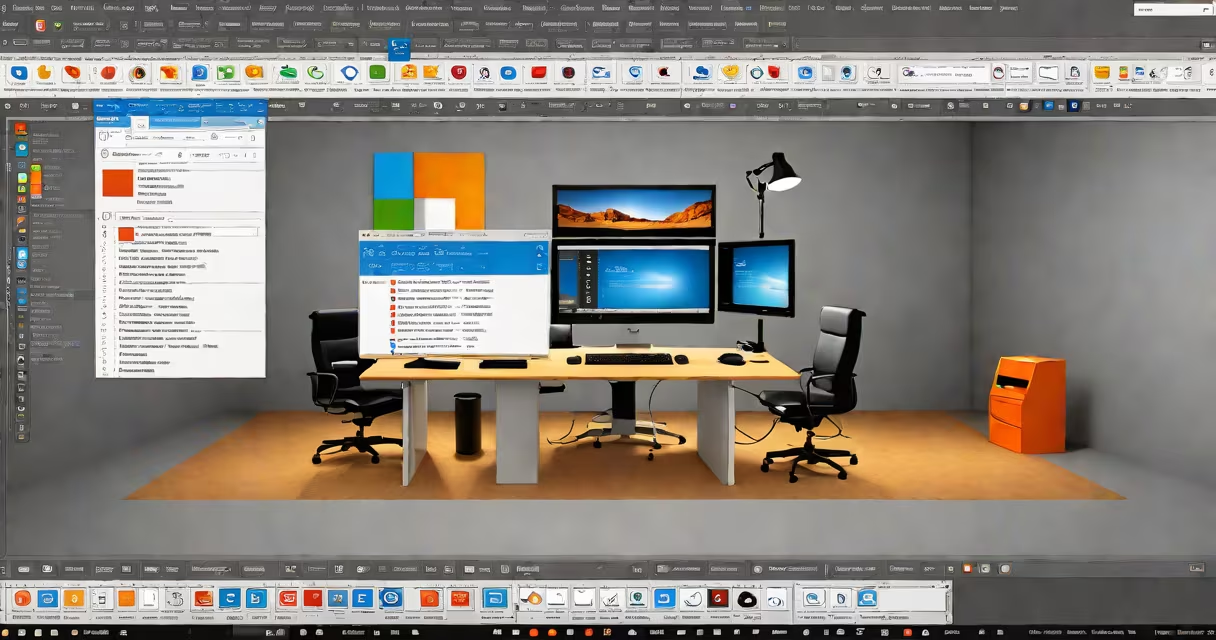
Microsoft's web design program was called Expression Web, a WYSIWYG editor released in 2006 as part of the Expression Studio set. It allowed designers to create standards-based websites using a visual interface rather than hand-coding.
Expression Web operated similarly to other WYSIWYG editors like Dreamweaver. Users could toggle between Design view (visual layout) and Code view (HTML/CSS editing). The program featured:
Unlike earlier Microsoft web tools, Expression Web emphasized standards compliance rather than proprietary technologies.
The program included several key features for web designers:
| Feature | Description |
|---|---|
| SuperPreview | Cross-browser compatibility checker |
| Changing Web Templates | Reusable template system |
| PHP Editing | Basic PHP support |
| ASP.NET Support | Full integration with .NET |
Microsoft stopped supporting Expression Web in 2012, shifting focus to Visual Studio for web development. The company never released a direct successor, leaving users to migrate to other platforms. Common reasons for its discontinuation included:
Many users confuse Expression Web with other Microsoft products:
1. It's not the same as SharePoint Designer, which focuses on SharePoint sites
2. Unlike FrontPage, it didn't generate proprietary markup
3. It wasn't a replacement for Expression Blend (for UI design)
While Microsoft hasn't released a direct successor, several alternatives exist:
For my personal projects, I switched to Visual Studio Code combined with Bootstrap for responsive design. The transition required learning some basic HTML and CSS, but the flexibility outweighed the initial learning curve.
Despite its discontinuation, Expression Web had several lasting impacts:
According to W3Techs, as of 2023, 60% of websites still use some form of WYSIWYG editor, showing the enduring need for visual web design tools.