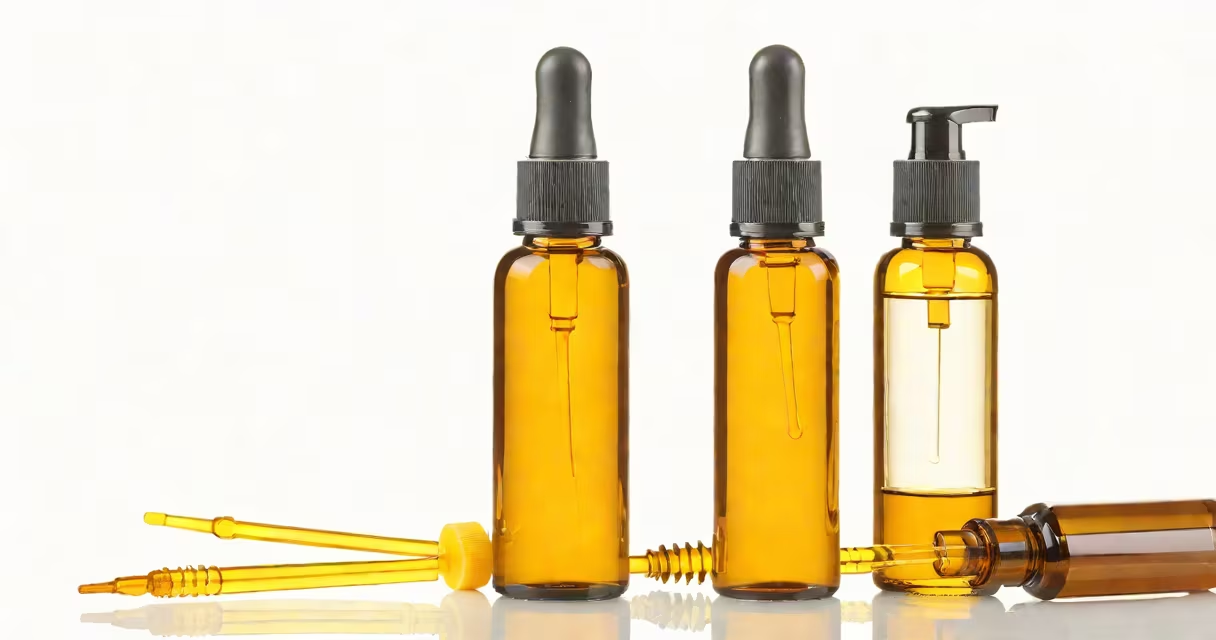
Minoxidil for teenager refers to the use of the topical solution **minoxidil** to treat hair loss in adolescents. Approved by the U.S. Food and Drug Administration (FDA) for adults, minoxidil is sometimes considered for younger individuals experiencing hair thinning or baldness.
Minoxidil is a vasodilator, meaning it widens blood vessels and promotes blood flow. When applied topically, it stimulates hair follicles, prolonging the growth phase and potentially reversing miniaturization of hair follicles. This process can lead to thicker, fuller hair over time.
Minoxidil comes in two primary forms:
| Type | Concentration | Usage |
|---|---|---|
| Liquid or foam solution | 2% or 5% | Applied directly to the scalp |
| Oral medication | N/A | Prescribed for other conditions, not typically for hair loss |
The 2% solution is often recommended for teenagers due to lower risk of side effects compared to the 5% solution.
Teenagers may experience hair loss due to various factors, including genetic predisposition, stress, or underlying medical conditions. Minoxidil is sometimes considered when other treatments, such as lifestyle changes or addressing nutritional deficiencies, prove ineffective. However, it's important to consult a healthcare provider before starting any treatment.
One common misconception is that minoxidil is a permanent cure for hair loss. In reality, it only works as long as it's used. Discontinuing the treatment often leads to a reversal of gains within a few months., some believe minoxidil is safe for all ages, but its use in teenagers requires careful monitoring due to potential side effects like scalp irritation or unwanted hair growth in adjacent areas.
As someone who has researched minoxidil extensively, I've seen cases where teenagers have benefited from its use under medical supervision. However, it's essential to weigh the benefits against potential risks and explore alternative treatments first. Always consult a dermatologist or healthcare provider to determine the best course of action.