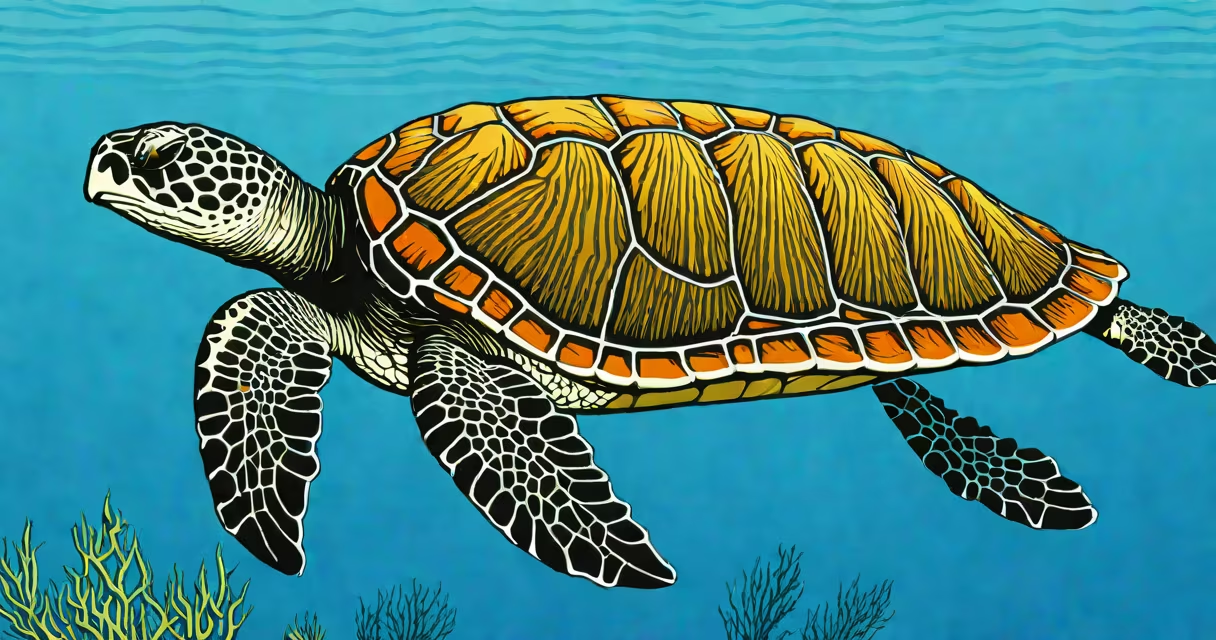
The most endangered sea turtles are species facing imminent extinction due to human activities and environmental changes. Seven of the world's eight sea turtle species are classified as vulnerable, endangered, or critically endangered.
Sea turtles have survived for millions of years, but their populations are declining rapidly. The primary threats include:
All seven endangered sea turtle species are protected under international laws like the CMS and CITES. The most at-risk species include:
| Species | Status | Population |
|---|---|---|
| Kemp's ridley | Critically endangered | Fewer than 1,000 nesting females |
| Hawksbill | Critically endangered | Estimated 15,000-25,000 |
| Leatherback | Vulnerable | Declining, with regional variations |
Sea turtles play a important role in maintaining healthy marine ecosystems. They help control jellyfish populations and transport nutrients from the ocean to beaches through their eggs. Without them, coastal ecosystems would suffer.
Conservation efforts include protecting nesting beaches, reducing plastic pollution, and enforcing fishing regulations. For example, the Kemp's ridley turtle saw population growth after strict nesting beach protections were implemented in Mexico.
Many people assume that sea turtles are primarily threatened by poaching, but the biggest threat is actually climate change. Rising sand temperatures alter the sex of hatchlings, skewing populations toward females. This disrupts natural breeding patterns, making recovery harder.
In 2023, researchers in Florida found that 99% of hatchlings were female due to high sand temperatures. This trend could lead to genetic problems in future generations.
To combat this, conservationists are experimenting with shading nesting areas to lower sand temperatures. While not a permanent solution, it provides short-term relief.
I've participated in beach cleanups along the Gulf Coast, where volunteers removed tons of plastic waste that could have harmed nesting turtles. Even small efforts make a difference.
People often confuse sea turtle conservation with other marine efforts, such as coral reef protection. While both are important, they require different strategies. Sea turtles need protected nesting grounds, while coral reefs rely on water quality and temperature control.
Another myth is that sea turtles are abundant because they've existed for so long. However, their slow reproduction rates make them highly vulnerable to sudden environmental changes.