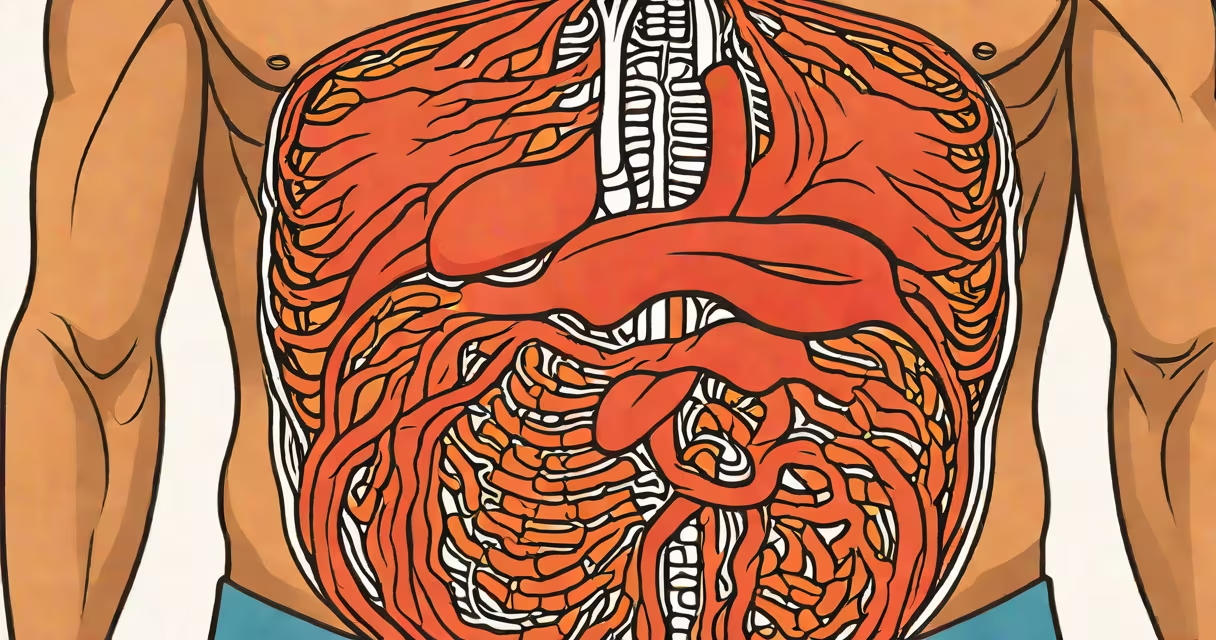
Pain in the upper stomach when coughing typically results from muscle strain, digestive issues, or underlying medical conditions. This discomfort often occurs due to increased pressure on abdominal muscles during coughing fits.
Coughing creates sudden, forceful contractions in the abdominal muscles. These contractions can irritate existing conditions or cause temporary strain. The diaphragm, a major muscle involved in breathing and coughing, shares connections with abdominal structures. When it contracts abruptly, it may pull on nearby tissues, triggering pain.
The most common causes fall into three categories:
People often mistake this pain for heartburn or muscle soreness. However, unlike heartburn, coughing-induced upper stomach pain usually subsides quickly after the coughing stops. It differs from general muscle soreness because it appears suddenly during coughing fits rather than developing gradually.
Consult a doctor if the pain persists after coughing stops, worsens over time, or occurs with other symptoms like nausea, vomiting, or difficulty breathing. Persistent pain may indicate an underlying condition requiring treatment. For instance, a hiatal hernia can cause chronic discomfort that coughing aggravates.
I once experienced this pain after a severe coughing fit. The sharp sensation in my upper abdomen disappeared within minutes, confirming it was muscle-related. However, if the pain had lingered, I would have sought medical advice to rule out more serious issues.