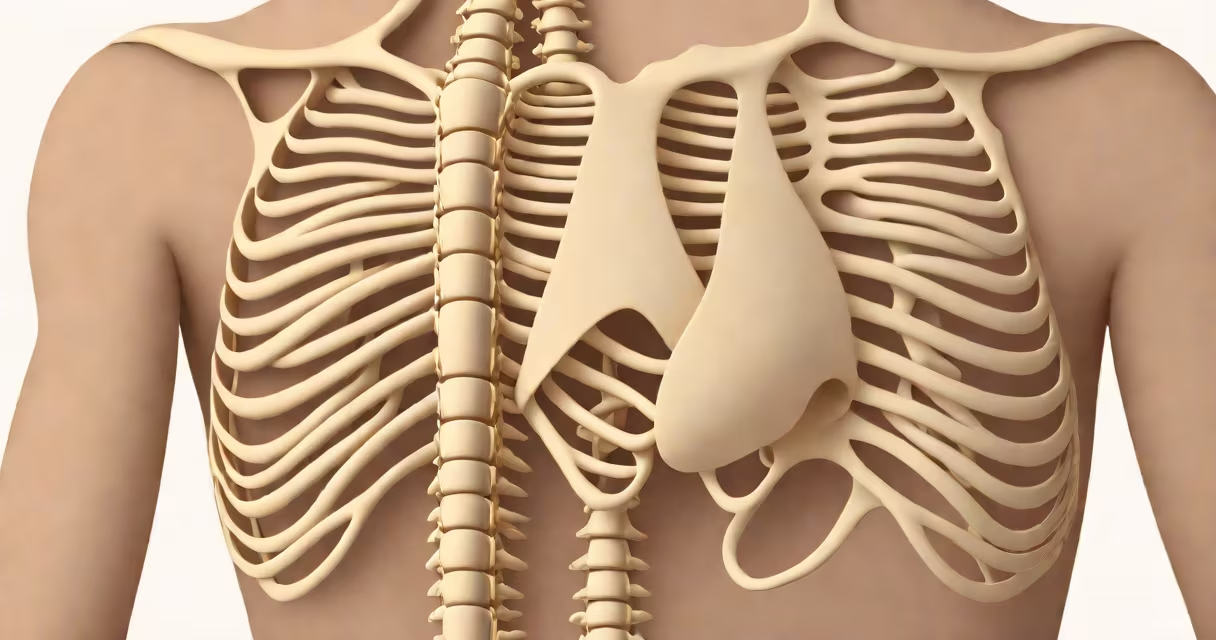
Pain in the sternum that worsens when leaning forward typically results from inflammation of the cartilage connecting ribs to the sternum (costochondritis) or muscle strain. However, it can also indicate more serious conditions requiring immediate medical attention.
The sternum, or breastbone, connects to your ribs via cartilage. When you lean forward, these connections stretch and compress. Inflammation or injury to these areas causes pain that intensifies with movement.
Pain in the sternum when leaning forward usually stems from one of four causes:
Costochondritis is the most common cause of sternum pain. It occurs when the cartilage that connects a rib to the sternum becomes inflamed. This inflammation can cause sharp, localized pain that worsens with movement, including leaning forward.
According to the Mayo Clinic, costochondritis is often misdiagnosed as a heart attack due to the location of the pain. However, unlike a heart attack, costochondritis is not life-threatening and usually resolves on its own within a few weeks.
Muscle strains in the chest area can also cause pain when leaning forward. This type of injury often results from overexertion during physical activities, such as heavy lifting or intense workouts. The pain typically subsides with rest and gentle stretching.
I once experienced this after an intense weightlifting session. The pain was sharp and localized to the upper chest area, worsening when I leaned forward to pick up weights. Rest and over-the-counter pain relievers helped alleviate the discomfort within a week.
Heartburn, or gastroesophageal reflux disease (GERD), can cause a burning sensation behind the sternum. This discomfort often worsens when leaning forward, as it can push stomach acid upward into the esophagus. Antacids or prescription medications can help manage symptoms.
The American Gastroenterological Association notes that chronic heartburn can lead to more serious conditions, such as esophageal ulcers or Barrett's esophagus. If symptoms persist, consult a healthcare provider.
While costochondritis and muscle strain are generally harmless, some symptoms warrant immediate medical attention. Seek help if you experience:
These symptoms could indicate a heart attack or other serious conditions requiring urgent care.
Doctors diagnose the cause of sternum pain through a physical examination and medical history. They may also order imaging tests, such as an X-ray or MRI, to rule out more serious conditions.
Treatment depends on the underlying cause. For costochondritis, over-the-counter pain relievers and rest are usually sufficient. Muscle strains improve with gentle stretching and gradual return to activity. Heartburn is managed with antacids and lifestyle changes, such as avoiding trigger foods.
To prevent sternum pain, maintain good posture, avoid overexertion during physical activities, and manage heartburn triggers. Regular exercise and a balanced diet can also help reduce the risk of muscle strain and acid reflux.
Many people confuse sternum pain with heart-related issues. While costochondritis and muscle strain are benign, it's important to rule out more serious conditions. If you experience persistent or severe pain, consult a healthcare provider for an accurate diagnosis.