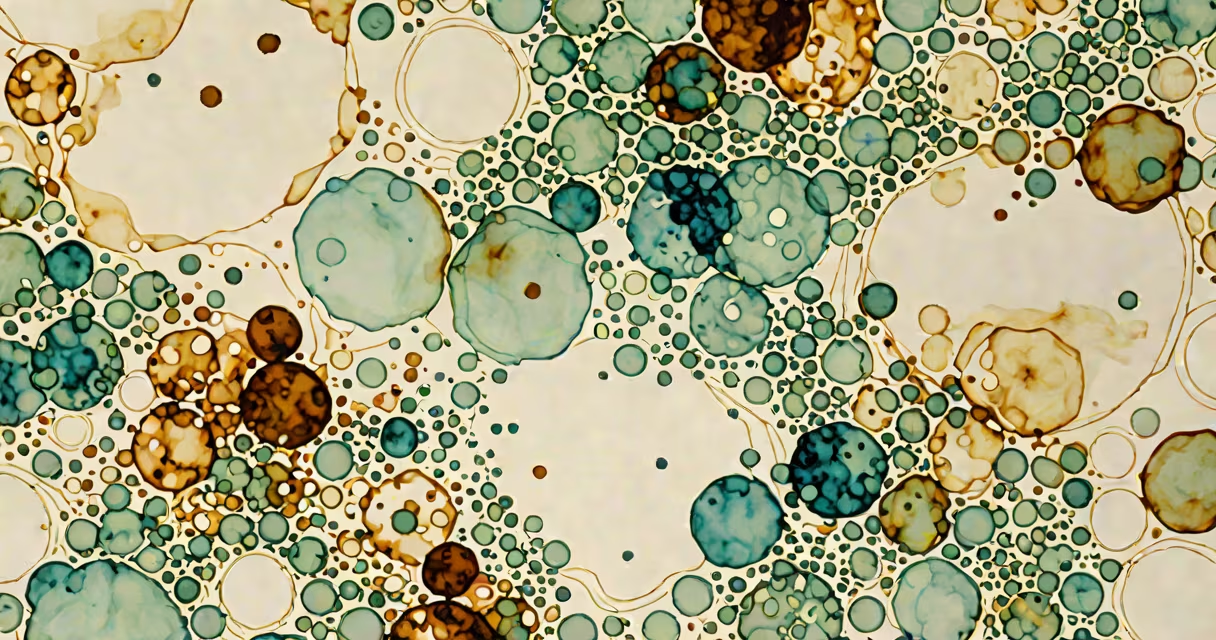
Particulate matter in atmosphere refers to tiny solid or liquid particles suspended in the air, ranging from 0.001 to 100 micrometers in diameter. These particles originate from natural sources like dust storms and wildfires, as well as human activities such as vehicle exhaust and industrial emissions.
Particulate matter forms through various processes. Primary particles are emitted directly from sources like vehicles, power plants, and construction sites. Secondary particles form in the atmosphere when gases like sulfur dioxide and nitrogen oxides react with sunlight and other compounds. For example, PM2.5 (particles smaller than 2.5 micrometers) often arises from the chemical reactions of pollutants emitted by factories and cars.
The two most commonly measured types of particulate matter are PM2.5 and PM10:
| Type | Size Range | Sources |
|---|---|---|
| PM2.5 | Less than 2.5 micrometers | Vehicle exhaust, power plants, wildfires |
| PM10 | Less than 10 micrometers | Dust, construction sites, agricultural activities |
While both types pose health risks, PM2.5 is particularly dangerous because it can penetrate deep into the lungs and even enter the bloodstream.
Particulate matter is measured worldwide using air quality monitoring stations. The U.S. Environmental Protection Agency (EPA) sets standards for PM2.5 and PM10 levels to protect public health. For instance, the EPA's National Ambient Air Quality Standards limit PM2.5 to 12 micrograms per cubic meter annually. Cities like Beijing and Delhi often exceed these limits due to high traffic and industrial activity.
Many people confuse particulate matter with other air pollutants like ozone or carbon monoxide. Unlike these gases, particulate matter consists of physical particles rather than gases., while all particulate matter is harmful, smaller particles like PM2.5 are more dangerous than larger ones like PM10 because they can bypass the body's natural defenses and lodge deeper in the respiratory system.
Another misconception is that particulate matter only affects outdoor air quality. In reality, indoor air can also contain high levels of particulate matter from cooking, smoking, and heating systems. The World Health Organization (WHO) estimates that indoor air pollution causes millions of deaths annually, primarily in low- and middle-income countries.
Particulate matter impacts both human health and the environment. Short-term exposure can cause respiratory issues like asthma and bronchitis, while long-term exposure is linked to heart disease, cancer, and premature death. According to the WHO, ambient air pollution accounts for an estimated 4.2 million deaths per year due to stroke, heart disease, lung cancer, and chronic respiratory diseases.
Environmentally, particulate matter affects climate and weather patterns. Dark particles like black carbon absorb sunlight, contributing to global warming. Light-colored particles reflect sunlight, cooling the Earth. This dual effect makes particulate matter a complex factor in climate change models.