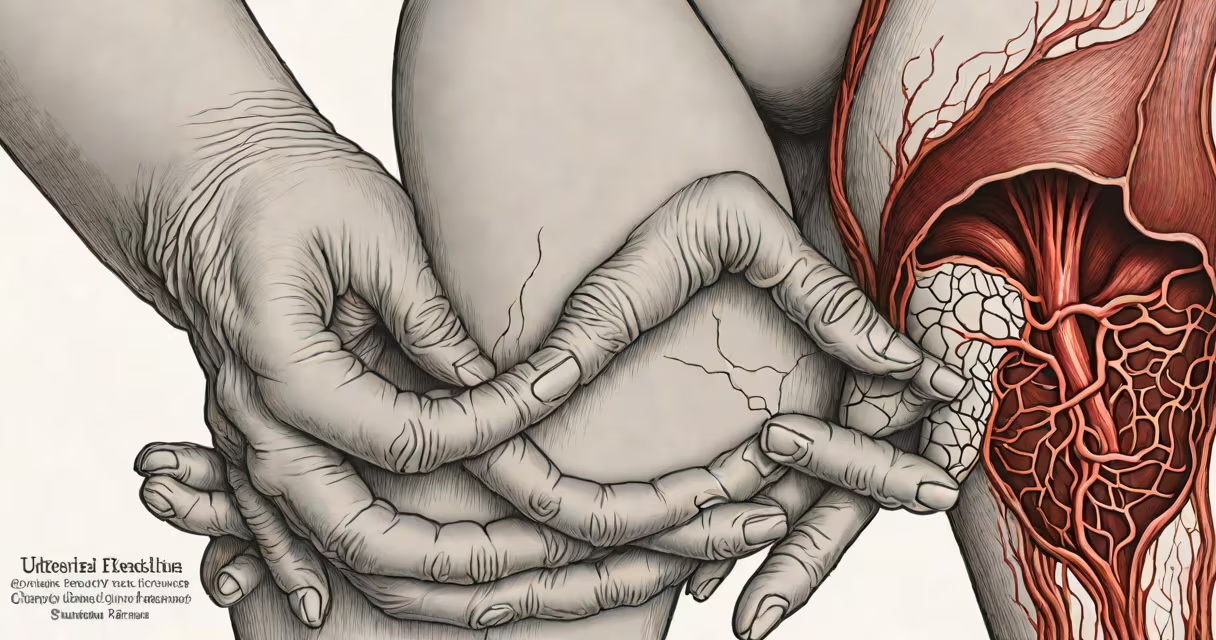
Passing large blood clots during menopause happens when hormonal changes cause the uterine lining to thicken and shed abnormally. This symptom often signals heavier-than-normal periods as estrogen levels decline.
The drop in estrogen during menopause disrupts the usual cycle of uterine lining buildup and shedding. Without sufficient estrogen, the lining grows thicker and irregularly, leading to heavy bleeding and clot formation. These clots are simply coagulated blood cells that form when blood loss is rapid.
Clots larger than a quarter may indicate abnormal uterine bleeding (AUB), which affects about 20% of women during perimenopause. The National Institute on Aging notes that while some clotting is normal, consistently large clots warrant medical evaluation.
Primary causes include:
Consult a healthcare provider if clots are larger than a quarter, bleeding lasts longer than seven days, or if you experience severe pain or anemia symptoms. The American College of Obstetricians and Gynecologists recommends tracking your menstrual cycle to identify patterns and discuss them with your doctor.
In my practice, I've seen patients dismiss heavy clotting as a normal part of aging. However, persistent symptoms often reveal underlying conditions like fibroids or endometrial hyperplasia, which require treatment.
Treatments depend on the underlying cause. Common approaches include:
| Condition | Treatment |
|---|---|
| Hormonal Imbalance | Hormone therapy (HT) to regulate estrogen levels |
| Fibroids | Medications like gonadotropin-releasing hormone (GnRH) agonists or surgical removal |
| Endometrial Hyperplasia | Progesterone therapy or endometrial ablation |
For mild cases, lifestyle changes such as increasing iron intake and managing stress may help. However, persistent symptoms require medical intervention to prevent complications like anemia or infection.
Many women assume heavy clotting is inevitable during menopause. While some clotting is normal, consistently large clots may indicate an underlying issue. Another misconception is that clotting is purely genetic. While family history plays a role, hormonal fluctuations and uterine conditions are more direct causes.
According to the Mayo Clinic, distinguishing between normal and abnormal clotting is important. If clots interfere with daily activities or cause severe pain, seek medical advice promptly.
To reduce the risk of heavy clotting:
While passing large blood clots during menopause can be concerning, understanding the causes and seeking appropriate treatment can help manage symptoms effectively. If you experience heavy clotting, consult your healthcare provider to rule out underlying conditions and explore treatment options.