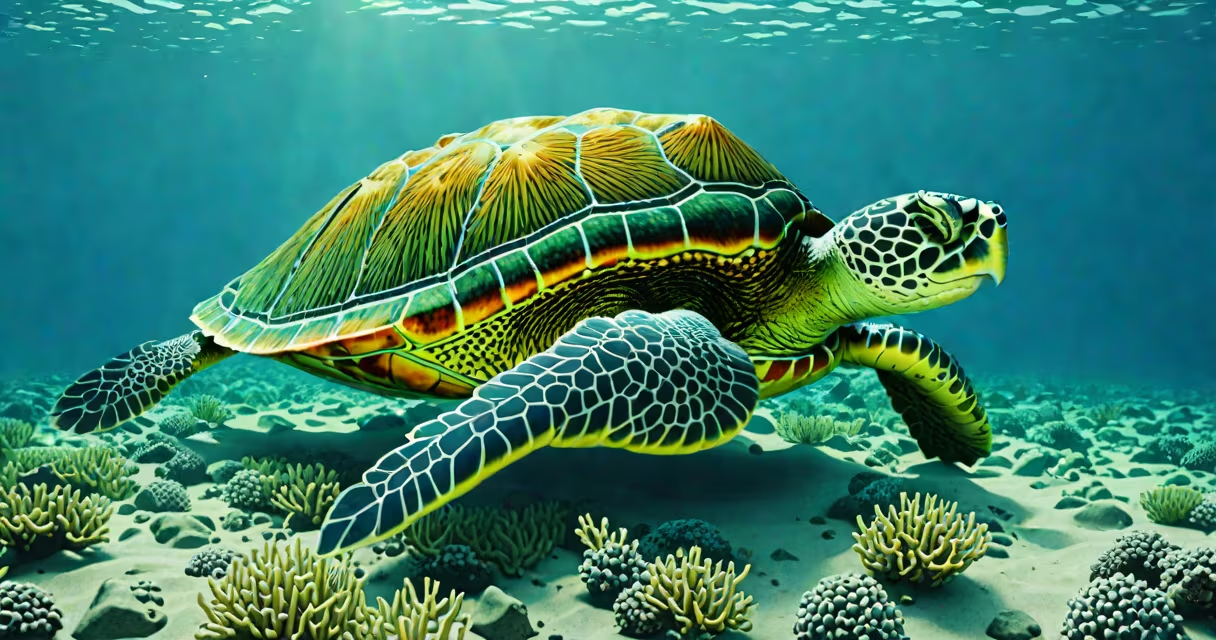
Plastic effects on marine life include ingestion, entanglement, and habitat destruction, causing injury, starvation, and death to countless marine animals. Plastic waste enters oceans through littering, improper disposal, and runoff, where it breaks down into microplastics that persist for centuries.
Marine animals often mistake plastic for food, leading to ingestion. Sea turtles confuse plastic bags for jellyfish, while seabirds feed plastic fragments to their chicks. Entanglement is another major threat-plastic rings, fishing lines, and nets trap animals, causing drowning, starvation, and infections. Microplastics absorb toxins like pesticides and heavy metals, which then enter the food chain when ingested by marine life.
The primary sources of plastic pollution in oceans are land-based, including litter, industrial waste, and poorly managed landfills. A study published in Science found that rivers carry an estimated 1.15 to 2.41 million tons of plastic into the ocean annually. Fishing gear, lost or discarded at sea, also contributes. Microplastics from clothing, cosmetics, and synthetic fibers further exacerbate the problem.
| Type | Size | Impact |
|---|---|---|
| Macroplastics | Larger than 5mm | Entanglement, ingestion by large marine animals |
| Microplastics | Smaller than 5mm | Ingestion by small marine life, absorption of toxins |
| Nanoplastics | Microscopic | Enter food chains, potential health risks |
Many believe biodegradable plastics solve the problem, but they still break down into microplastics. Others think recycling fixes everything, yet only 9% of plastic waste is recycled globally, according to the Our World in Data project. Biodegradable plastics are not a complete solution because they still contribute to microplastic pollution.
The Great Pacific Garbage Patch, a swirling mass of plastic debris in the North Pacific Ocean, spans an area twice the size of Texas. It traps marine life, causing entanglement and ingestion. Efforts like The Ocean Cleanup aim to remove plastic, but prevention remains critical.
Plastic pollution is a global crisis requiring immediate action. By understanding its impact and taking steps to reduce waste, we can protect marine life and preserve ocean ecosystems for future generations.