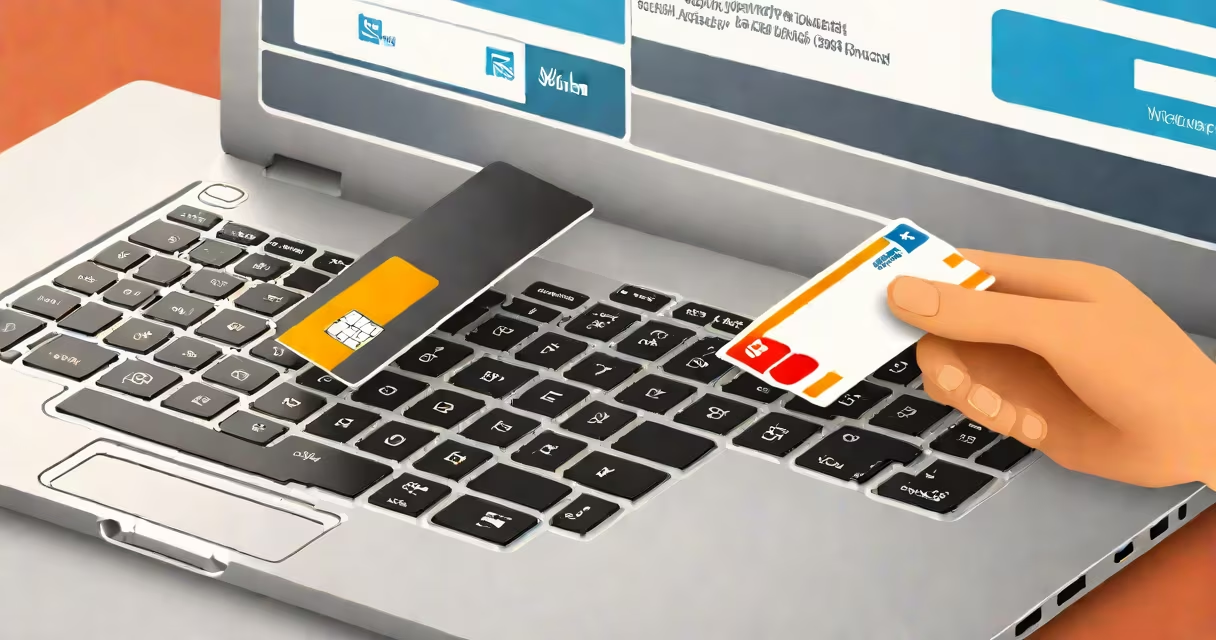
A smart card online is a digital version of a physical smart card, enabling secure authentication and transactions over the internet. These cards use embedded microchips to store and process data, providing enhanced security compared to traditional magnetic stripe cards.
Online smart cards function through secure communication protocols. When inserted into a card reader connected to a computer, they establish a secure connection to verify the user's identity or authorize transactions. The chip on the card processes cryptographic operations locally, ensuring sensitive data never leaves the card.
| Type | Primary Use | Example |
|---|---|---|
| Contact Smart Cards | Physical cards requiring insertion into a reader | Bank cards with EMV chips |
| Contactless Smart Cards | Cards using near-field communication (NFC) | Mobile payment systems like Apple Pay |
| Virtual Smart Cards | Software-based cards stored on devices | Digital ID cards for online authentication |
Smart cards are widely used for secure online transactions, including accepting online credit card payments, accessing government services, and verifying identities. For instance, many European countries issue electronic ID cards that citizens use to access online services securely.
In the financial sector, smart cards enable secure online banking. When a user initiates a transaction, the card reader communicates with the bank's server to verify the transaction. This process helps only authorized users can access accounts or make payments.
Unlike traditional debit or credit cards, smart cards store data on a microchip rather than a magnetic stripe. This makes them more secure against fraud. For example, the EMV standard used in smart cards has reduced counterfeit card fraud in countries where it is widely adopted.
Smart cards are often confused with contactless payment systems. While both use chips, contactless systems rely on near-field communication (NFC) for quick transactions without physical contact. Smart cards, however, require either insertion into a reader or close proximity for NFC-enabled versions.
Smart cards incorporate multiple security features to protect data. These include encryption, digital signatures, and secure authentication protocols. For example, a smart card used for online banking might require a PIN to activate the chip, adding an extra layer of security.
According to the EMV Migration Forum, smart cards reduce the risk of skimming and cloning because the chip generates a unique transaction code for each purchase. This makes it difficult for fraudsters to copy the data and use it for unauthorized transactions.
I once tested a virtual smart card for accessing a secure government portal. The process involved downloading a software application that simulated the functions of a physical smart card. After installing the app, I could log in using a digital certificate stored on my device, eliminating the need for a physical card reader.
As technology evolves, smart cards are becoming more integrated with mobile devices. Many smartphones now support virtual smart cards, allowing users to store digital versions of their cards on their devices. This trend is expected to continue, with more services moving toward mobile-based authentication.
For example, the European Union is promoting the use of electronic identification (eID) schemes, which allow citizens to access public services online using smart cards or digital IDs. This initiative aims to create a smooth and secure digital environment across member states.