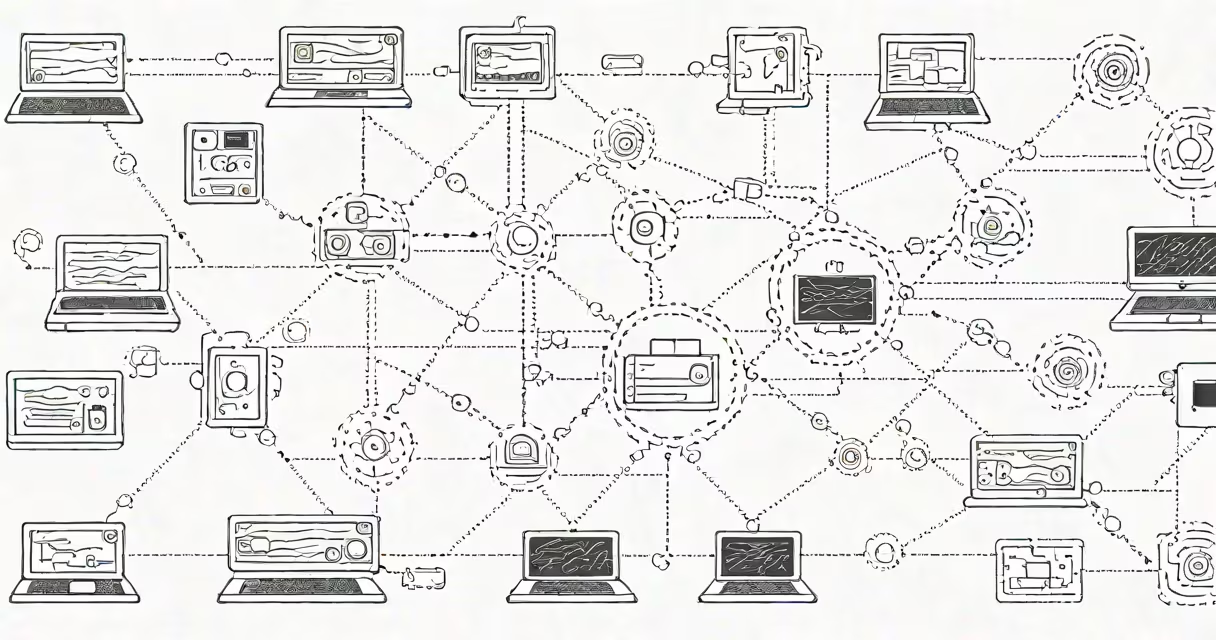
A smart data stream is a continuous flow of data processed in real time to extract immediate insights. These streams typically originate from sensors, applications, or user activity and are analyzed as they move through systems, enabling rapid decision-making.
Smart data streams operate by capturing data points in motion rather than storing them first. This process involves several key components:
| Type | Source | Common Use Cases |
|---|---|---|
| IoT streams | Sensors, wearables, smart devices | Predictive maintenance, health monitoring |
| User interaction streams | Web clicks, app usage | Personalized recommendations, ad targeting |
| Financial transaction streams | Banking apps, payment gateways | Fraud detection, risk assessment |
Smart data streams are essential in scenarios requiring immediate responses. A common application is in autonomous vehicles, where radar and camera data must be processed instantly to avoid collisions. Another example is in healthcare, where patient monitors send continuous important signs to doctors' dashboards.
Many organizations use smart data streams to reduce latency compared to traditional batch processing. For instance, Netflix analyzes viewer behavior in real time to adjust content recommendations without waiting for nightly reports.
Some people confuse smart data streams with traditional databases. While databases store data for later analysis, streams process data as it arrives. This distinction is important for applications like stock trading platforms, where delays of even milliseconds can result in lost opportunities.
Another misconception is that all streaming data requires cloud processing. In reality, many systems use edge computing to process data locally, reducing bandwidth costs and improving response times. For example, a smart factory might analyze machine data on-site rather than sending it to a remote data center.
I once configured a smart data stream for a client's e-commerce site to track abandoned carts. By analyzing user behavior in real time, we could trigger personalized discounts before shoppers left the site, increasing conversions by 12%. This practical experience demonstrated the power of immediate data processing.
Smart data streams offer several advantages over traditional data processing methods:
According to Gartner, by 2025, 80% of enterprises will have adopted real-time data processing to support digital business operations. This shift reflects the growing importance of smart data streams in modern infrastructure.
To implement smart data streams, organizations typically follow these steps:
Smart data streams change how organizations handle information by enabling real-time analysis and decision-making. From industrial IoT to financial services, these systems provide critical advantages in speed, efficiency, and responsiveness. As businesses increasingly rely on immediate insights, smart data streams will continue to play a key role in modern data architectures.