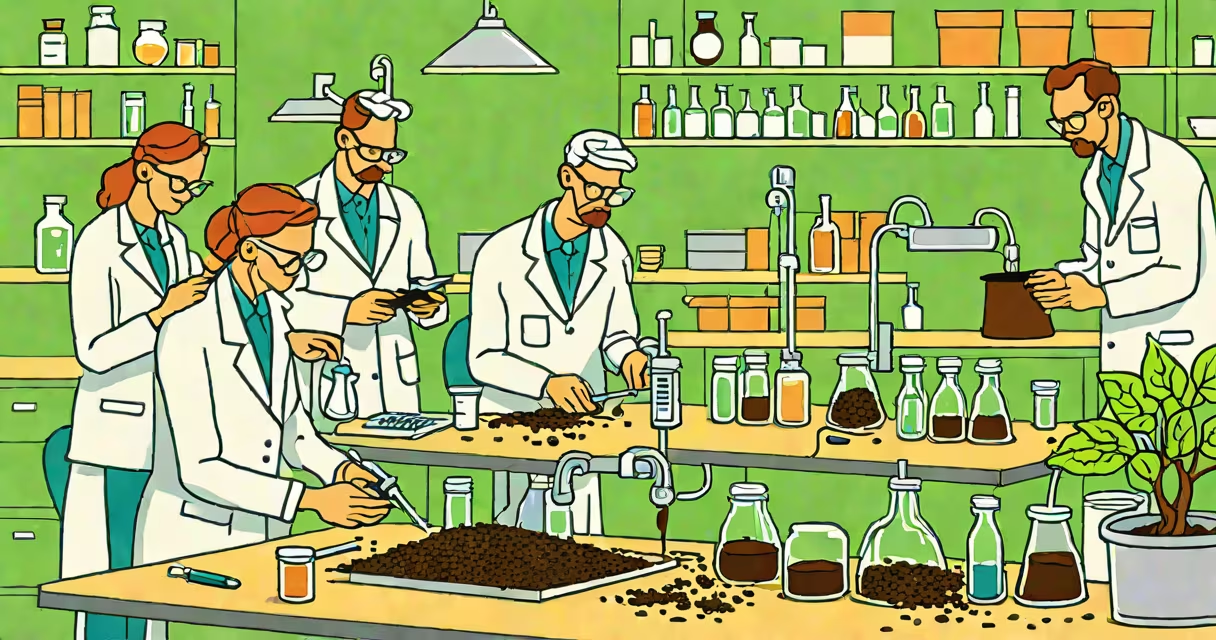
The Soil Health Institute is a nonprofit organization dedicated to advancing soil sustainability through scientific research and education. Founded in 2013, it focuses on improving soil health to support agricultural productivity, environmental resilience, and human well-being.
The institute conducts research on soil health practices, such as cover cropping, reduced tillage, and organic amendments. It collaborates with farmers, researchers, and policymakers to develop and promote sustainable land management strategies. The goal is to improve soil function while mitigating climate change impacts.
The Soil Health Institute's work spans several key areas:
The institute's findings are applied globally, particularly in regions facing soil degradation due to intensive farming. Healthy soils improve crop yields, reduce erosion, and support biodiversity. For example, farmers in the U.S. Midwest have adopted cover cropping techniques promoted by the institute to restore depleted soils.
Some believe soil health is solely about adding fertilizers. However, the Soil Health Institute emphasizes complete approaches, including microbial diversity and physical soil structure. A study published in Nature Communications found that soils with high organic matter content retain 18% more water than degraded soils, highlighting the importance of complete soil management.
I've seen firsthand how regenerative practices improve soil health. During a visit to a farm in Iowa, I observed how cover crops increased soil organic matter by 20% over five years, directly boosting crop resilience during droughts.
| Project | Impact |
|---|---|
| National Soil Health Alliance | Unites stakeholders to advocate for policy changes supporting soil health. |
| Soil Health Grading System | Provides a standardized method to assess and monitor soil health globally. |