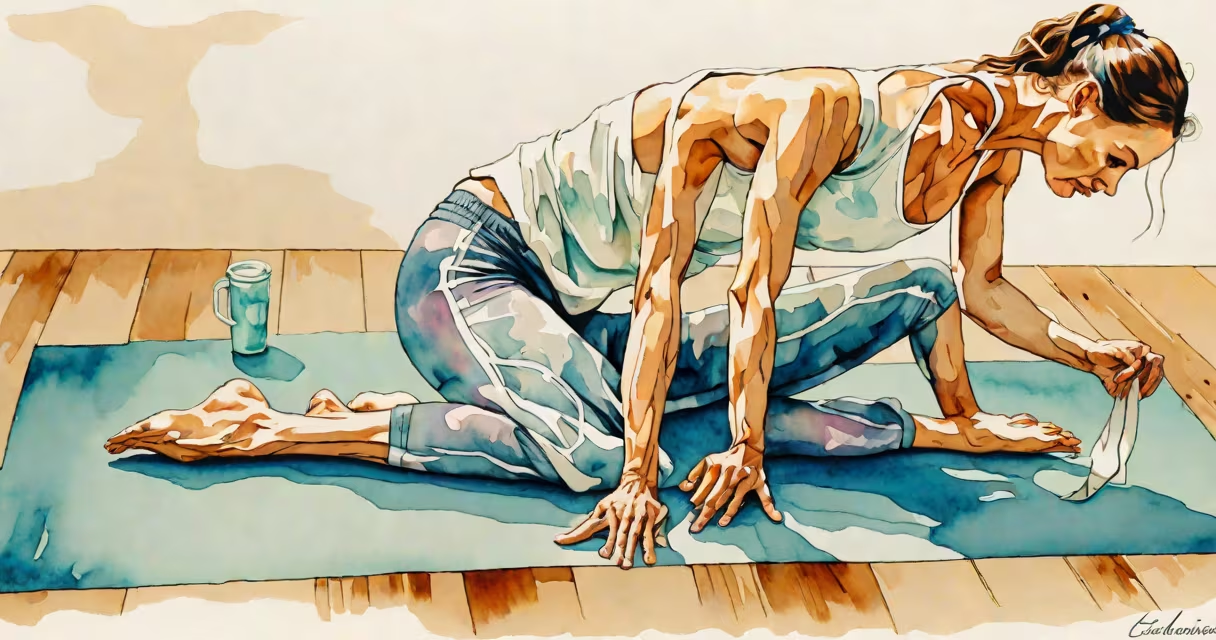
Stretching your hip involves targeting specific muscles to relieve tension and improve flexibility. This typically includes stretching the hip flexors, glutes, and external rotators.
Hip stretches work by elongating tight muscles and improving blood flow to the area. Regular stretching can increase range of motion and reduce discomfort from prolonged sitting or physical activity. The hip joint connects the femur to the pelvis, and surrounding muscles can become tight due to sedentary lifestyles or repetitive movements.
The primary muscles to stretch in the hip region include:
Effective stretches for each muscle group include:
| Muscle Group | Stretch Name | Description |
|---|---|---|
| Hip Flexors | Kneeling Hip Flexor Stretch | Kneel on one knee, push hips forward, and hold for 20-30 seconds. |
| Gluteal Muscles | Figure-Four Stretch | Lie on your back, cross one ankle over the opposite knee, and pull the uncrossed leg toward your chest. |
| External Rotators | Seated Piriformis Stretch | Sit with one ankle crossed over the opposite knee and lean forward slightly. |
Regular hip stretching can prevent injuries, improve posture, and improve athletic performance. According to the American Council on Exercise, tight hips can contribute to lower back pain and knee issues. Incorporating hip stretches into your routine can mitigate these risks.
I noticed significant improvements in my hip flexibility after adding daily stretches to my morning routine. A simple seated piriformis stretch helped alleviate discomfort from long hours at my desk.
Many people confuse hip stretches with generic leg stretches. Focus on isolating the hip muscles rather than stretching the entire leg. Avoid bouncing during stretches, as this can cause injury. Instead, hold each stretch for 20-30 seconds and breathe deeply.