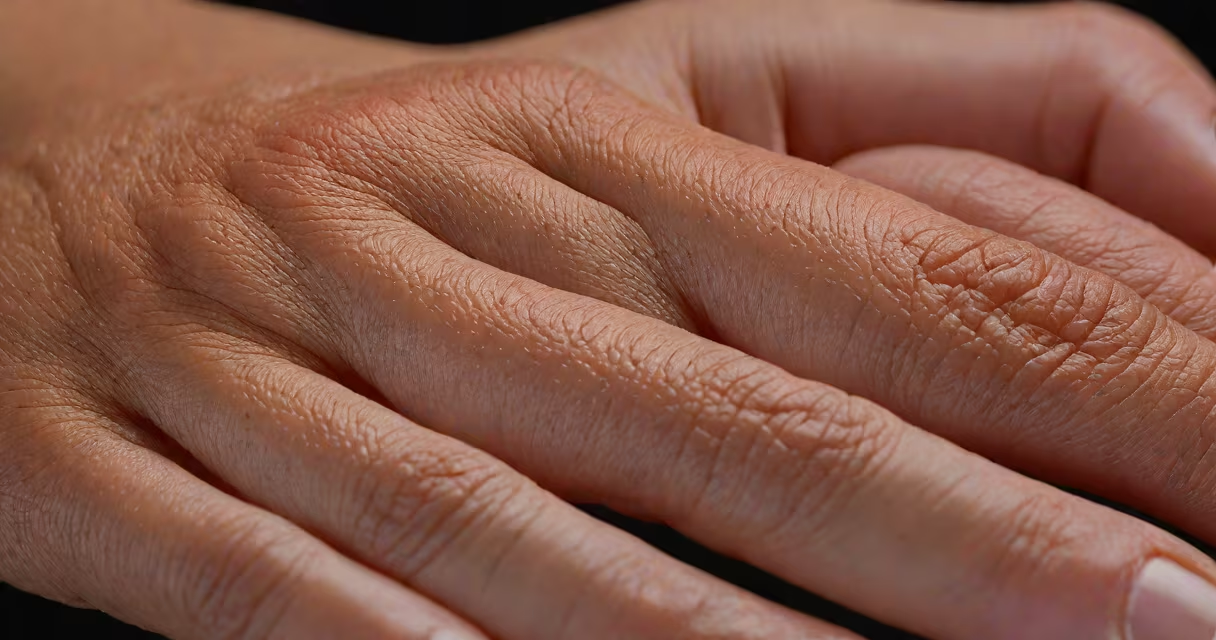
Swelling and pain on the back of the hand typically result from injury, overuse, or underlying conditions like arthritis. These symptoms often indicate inflammation in tendons, joints, or soft tissues.
Several factors can lead to swelling and pain on the back of the hand:
When tissues in the hand become inflamed, the body increases blood flow to the area, causing swelling. This swelling puts pressure on nerves and other structures, leading to pain. For example, tendonitis occurs when overuse irritates the tendons, triggering an inflammatory response.
| Type | Description | Treatment |
|---|---|---|
| Tendonitis | Inflammation of tendons due to overuse | Rest, ice, NSAIDs, physical therapy |
| Arthritis | Joint inflammation from wear-and-tear or autoimmune causes | Medications, lifestyle changes, surgery in severe cases |
| Carpal Tunnel Syndrome | Nerve compression in the wrist | Wrist splints, anti-inflammatory drugs, surgery |
| Trauma | Injury from impact or accidents | Immobilization, pain relief, rehabilitation |
Consult a healthcare provider if swelling and pain persist for more than a few days, worsen over time, or are accompanied by numbness, tingling, or fever. Early diagnosis and treatment can prevent long-term damage.
For instance, if you experience persistent pain after a fall, seeking medical attention can rule out fractures or severe sprains. According to the American Academy of Orthopedic Surgeons, early intervention for hand injuries improves recovery outcomes.
Many people assume that swelling and pain on the back of the hand are always due to minor injuries. However, these symptoms can also signal more serious conditions like rheumatoid arthritis or gout. Ignoring persistent symptoms can lead to chronic issues.
I once treated a patient who had swelling and pain for weeks, assuming it was just a sprain. A visit to the doctor revealed early signs of rheumatoid arthritis, allowing for timely treatment.
Understanding the root cause of swelling and pain on the back of the hand is important for effective treatment. Whether from injury, overuse, or underlying conditions, addressing these symptoms promptly can prevent further complications.