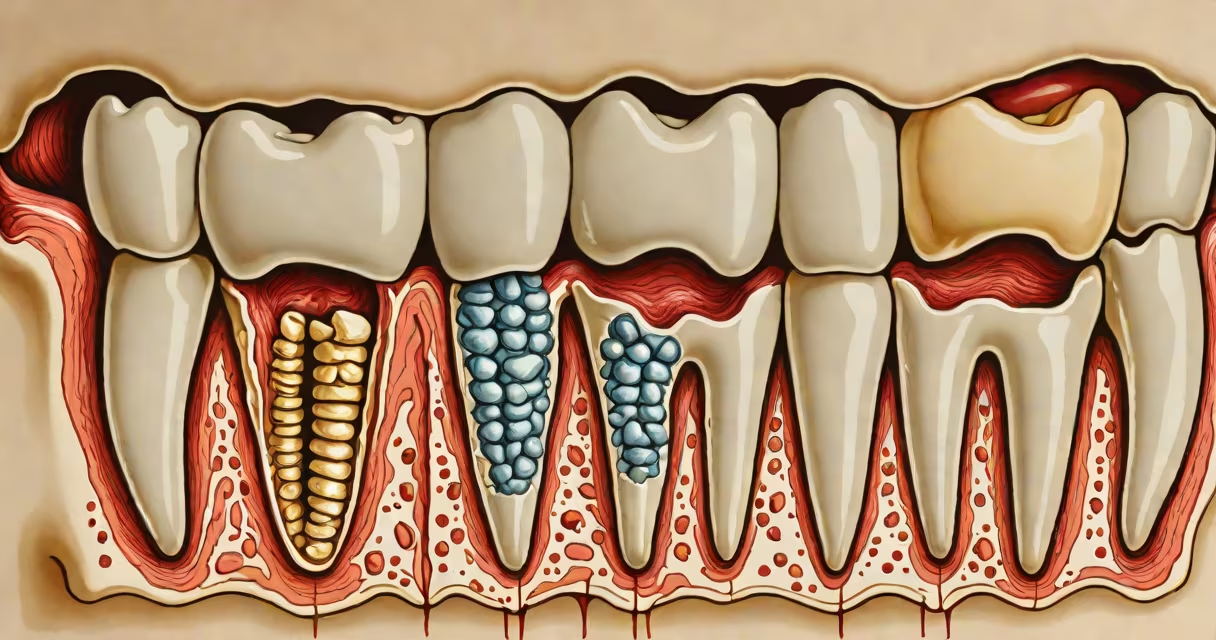
Tooth sensitivity from sinus problems occurs when inflammation or pressure in your maxillary sinuses irritates nearby tooth roots. This creates pain that feels like dental sensitivity but originates in your upper respiratory system.
The maxillary sinuses sit above your upper teeth, separated only by thin bone. When these sinuses swell due to infection or allergies, they press on tooth roots. The trigeminal nerve, which serves both areas, confuses the signals, making you feel dental pain.
| Type | Common Causes | Duration |
|---|---|---|
| Acute sinusitis | Viral infections, bacteria | 2-4 weeks |
| Chronic sinusitis | Allergies, nasal polyps | 12+ weeks |
| Seasonal flare-ups | Pollen, mold | Weeks to months |
Sinus-related tooth pain typically affects multiple teeth on one side of your upper jaw. The discomfort worsens when bending forward or lying down. Unlike true tooth sensitivity, sinus pain doesn't trigger reactions to hot/cold foods. A dentist can confirm the source using percussion tests or transillumination.
Most people mistake sinus pain for dental problems. Even dentists sometimes misdiagnose it as cracked teeth or gum disease. According to the American Academy of Otolaryngology, about 20% of toothaches actually stem from sinus issues.
Over-the-counter pain relievers like ibuprofen reduce inflammation. Nasal decongestants or saline rinses relieve pressure. Prescription antibiotics treat bacterial infections. For chronic cases, allergy medications or steroid sprays may help.
I once had sinus-related tooth pain so severe I scheduled an emergency root canal. My dentist noticed my symptoms matched sinusitis patterns and referred me to an ENT specialist instead. The sinus infection resolved with antibiotics, eliminating the tooth pain completely.
See a healthcare provider if pain lasts more than 10 days, worsens suddenly, or comes with fever, facial swelling, or vision changes. These could indicate serious infections requiring immediate treatment.