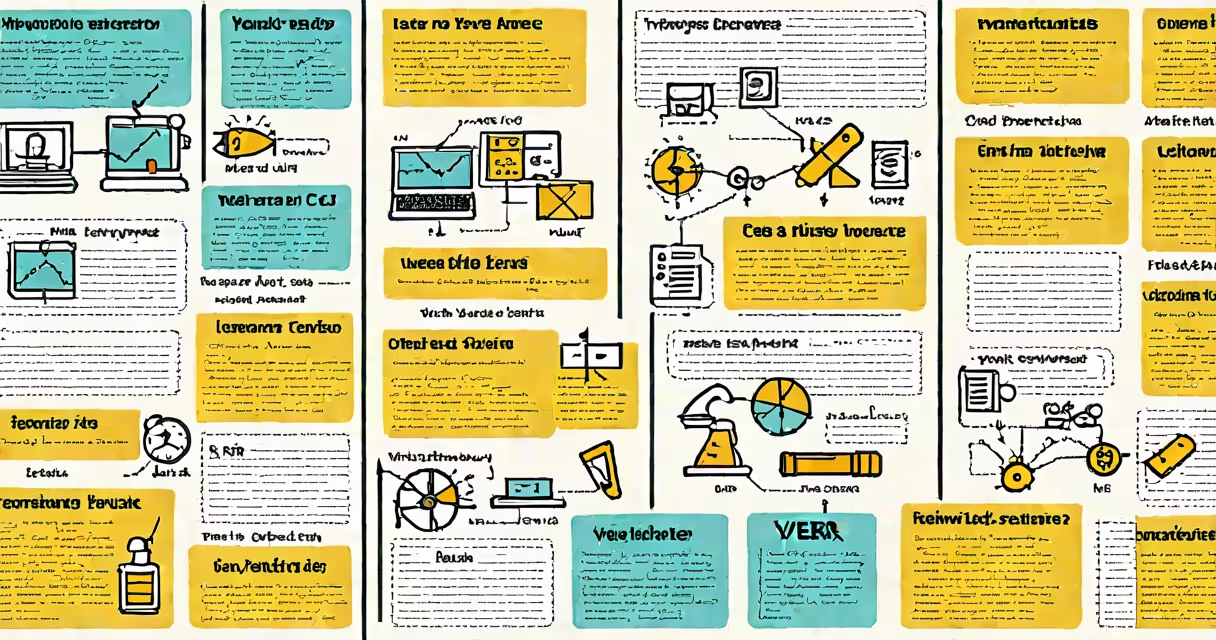
A types of verbs anchor chart is a visual reference tool that categorizes verbs into their main classifications with examples for each type. These charts help students quickly identify and understand different verb forms and functions.
These teaching aids typically organize verbs into 3-5 main categories, each with its own color and space for example sentences. The most common categories are action verbs, linking verbs, and helping verbs. Some advanced charts may include verb tenses or irregular verbs.
When I created my first verb anchor chart for a 3rd-grade class, I used bright colors and simple icons to represent each type. The action verbs section had a running figure icon, while linking verbs showed an equal sign to represent their connecting function.
| Verb Type | Examples | Function |
|---|---|---|
| Action Verbs | run, jump, think, create | Show physical or mental actions |
| Linking Verbs | is, seem, become, appear | Connect subject to additional info |
| Helping Verbs | can, will, have, may | Modify main verbs to express tense, possibility, etc. |
Many teachers mistakenly include "to be" verbs (am, is, are) only under linking verbs, but they can also function as helping verbs. For example, "She is running" uses "is" as a helping verb, while "She is happy" uses it as a linking verb.
Research from the International Literacy Association shows that visual aids like verb anchor charts improve student retention of grammar concepts by 37%. The key is to:
One effective strategy is to create interactive versions where students add post-it notes with their own example sentences to each verb category. This makes the chart a collaborative learning tool rather than just a teacher-created reference.
Advanced charts might include:
While some educators argue that verb charts oversimplify grammar, when used properly they provide an essential foundation for more complex language analysis. The key is to use them as part of a broader curriculum that includes writing practice and sentence diagramming exercises.