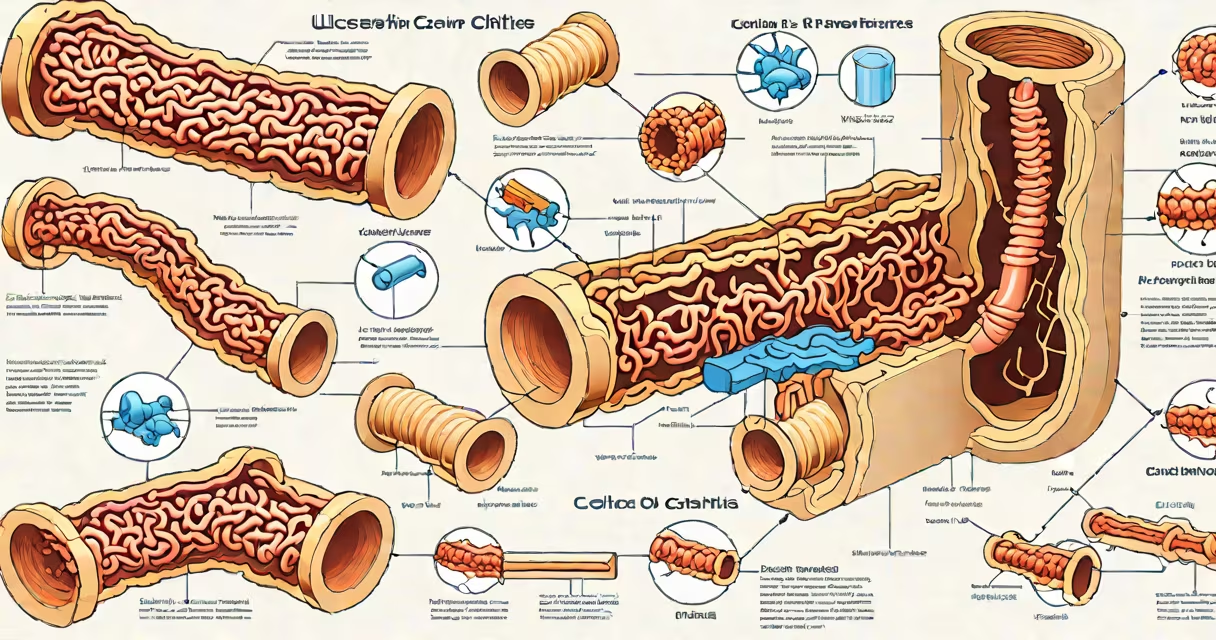
Ulcerative colitis is caused by chronic inflammation in the colon due to immune system dysfunction and gut microbiome imbalances. This inflammatory bowel disease (IBD) creates ulcers and sores in the colon lining.
The exact cause remains unknown, but research points to multiple factors working together. The immune system mistakenly attacks healthy colon cells, triggering inflammation. This persistent inflammation damages the colon lining, creating ulcers that produce pus and bleeding.
Experts identify several contributing factors:
Ulcerative colitis affects the large intestine (colon) and rectum. It typically starts in the rectum and spreads upward through the colon. The inflammation causes symptoms like bloody diarrhea, abdominal pain, and urgency to have bowel movements.
Many people confuse ulcerative colitis with Crohn's disease, another IBD. Unlike Crohn's, ulcerative colitis only affects the colon and rectum, not the entire digestive tract. Stress doesn't cause it, though it can worsen symptoms.
Consider Sarah, a 32-year-old who developed ulcerative colitis. Her immune system began attacking her colon cells, likely triggered by an infection. Genetic factors played a role - her mother had the condition. Over time, chronic inflammation damaged her colon lining, causing ulcers that led to bloody diarrhea and abdominal pain. Her doctor prescribed medications to reduce inflammation and recommended dietary changes to manage symptoms.
Unlike irritable bowel syndrome (IBS), which affects the muscle contractions in the intestines, ulcerative colitis involves actual inflammation and damage to the colon lining. This physical damage leads to more severe symptoms and complications.
Understanding the causes helps patients recognize symptoms early and seek appropriate treatment. While there's no cure, managing triggers and reducing inflammation can control symptoms effectively.