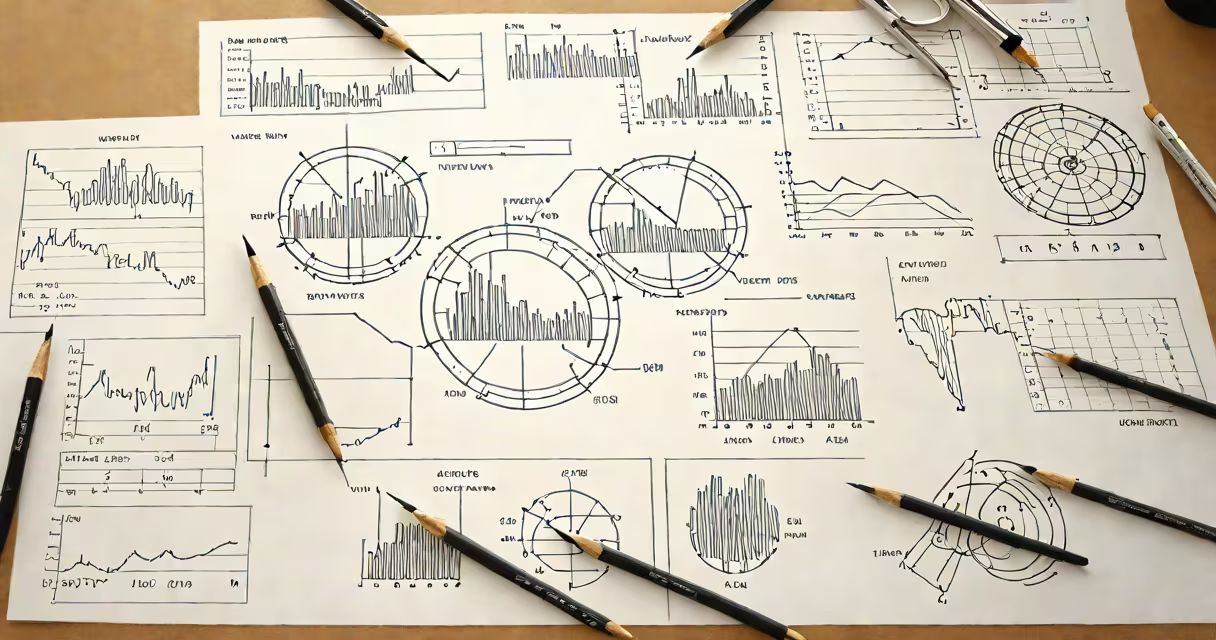
Data assets are information collections that organizations use to make decisions, reduce risks, and generate revenue. These assets come in structured formats like databases or unstructured forms such as emails and social media posts.
Data assets function as raw material for analysis. Businesses collect data from transactions, customer interactions, sensors, and other sources. This data is then stored, processed, and analyzed to uncover patterns, trends, and insights. For example, a retail company might analyze sales data to predict inventory needs and improve supply chains.
| Type | Description | Example |
|---|---|---|
| Structured Data | Organized in a predefined format | Customer databases, financial records |
| Unstructured Data | Lacks a predefined format | Emails, social media posts, videos |
| Semi-structured Data | Contains some organizational properties | JSON files, XML documents |
Companies across industries use data assets. Financial institutions use them for risk assessment, healthcare providers apply them to improve patient outcomes, and manufacturers use them to improve operational efficiency. According to McKinsey, data-driven organizations are 23 times more likely to acquire customers, six times as likely to retain customers, and five times as likely to be in the top quartile of financial performance.
Many people confuse data assets with data itself. While data is the raw material, data assets are the processed, analyzed, and actionable information derived from that data. Another misconception is that only large corporations benefit from data assets. Small businesses also gain significant advantages by using data to understand customer behavior and market trends.
I once worked with a small e-commerce business that used customer purchase data to personalize marketing campaigns. The result was a 30% increase in repeat customers within six months. This example shows how even modest data assets can drive substantial business growth.
Data monetization is the process of generating revenue from data assets. Companies achieve this by selling data directly, licensing it to other businesses, or using it to improve internal operations. For instance, a weather forecasting company might sell its data to agricultural businesses to help them plan planting and harvesting cycles.
Data assets are valuable information collections that drive decisions and generate revenue. By understanding and using these assets, businesses can gain a competitive edge and achieve sustainable growth.