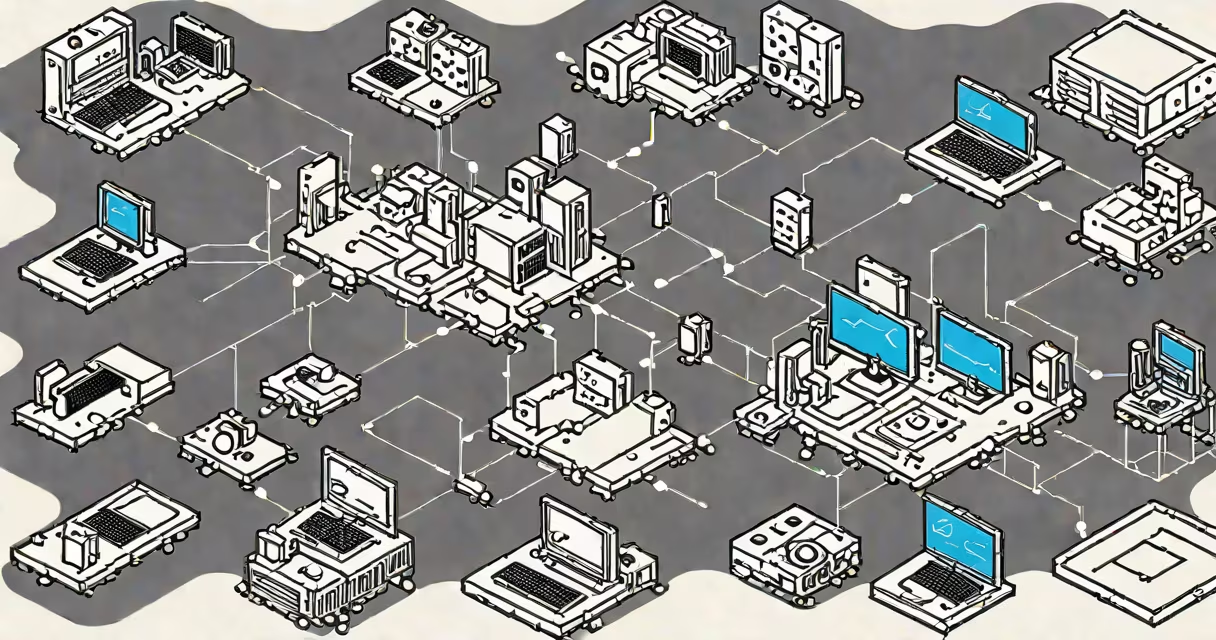
Data packets are small units of data sent over computer networks. They contain part of a message, along with metadata describing how to reassemble the pieces. The internet and most modern networks rely on packet switching to transmit information.
When you send data-like loading a webpage or sending an email-the information is broken into smaller chunks called packets. Each packet contains:
These packets travel independently through the network, sometimes taking different routes. At the destination, they're reassembled in the correct order to reconstruct the original message.
The structure varies by protocol. Here's how common ones compare:
| Protocol | Packet Name | Maximum Size | Key Feature |
|---|---|---|---|
| IP (Internet Protocol) | IP Packet | 65,535 bytes | Handles addressing and routing |
| TCP (Transmission Control Protocol) | TCP Segment | 65,515 bytes | Ensures reliable delivery |
| UDP (User Datagram Protocol) | UDP Datagram | 65,507 bytes | Faster but less reliable |
Packet switching solves key problems in network communication:
This is why the internet can handle billions of devices simultaneously. Without packet switching, modern global networks wouldn't be possible.
Many people confuse data packets with:
Another mistake is thinking packets always take the same route. In reality, they often follow different paths due to network congestion or outages.
When you watch a video online, your device requests small pieces of that video file. The server breaks the file into thousands of packets, each containing a few seconds of video data. These packets travel through various internet service providers' networks, sometimes taking different routes. Your device reassembles them in order, creating a smooth playback experience even if some packets arrive late or out of order.
I once tested this by analyzing network traffic during a video call. Even with a stable connection, packets arrived at slightly different times, proving how solid the reassembly process is.
Understanding data packets helps explain why some connections feel slow during peak usage times-networks must handle many competing packet streams simultaneously.