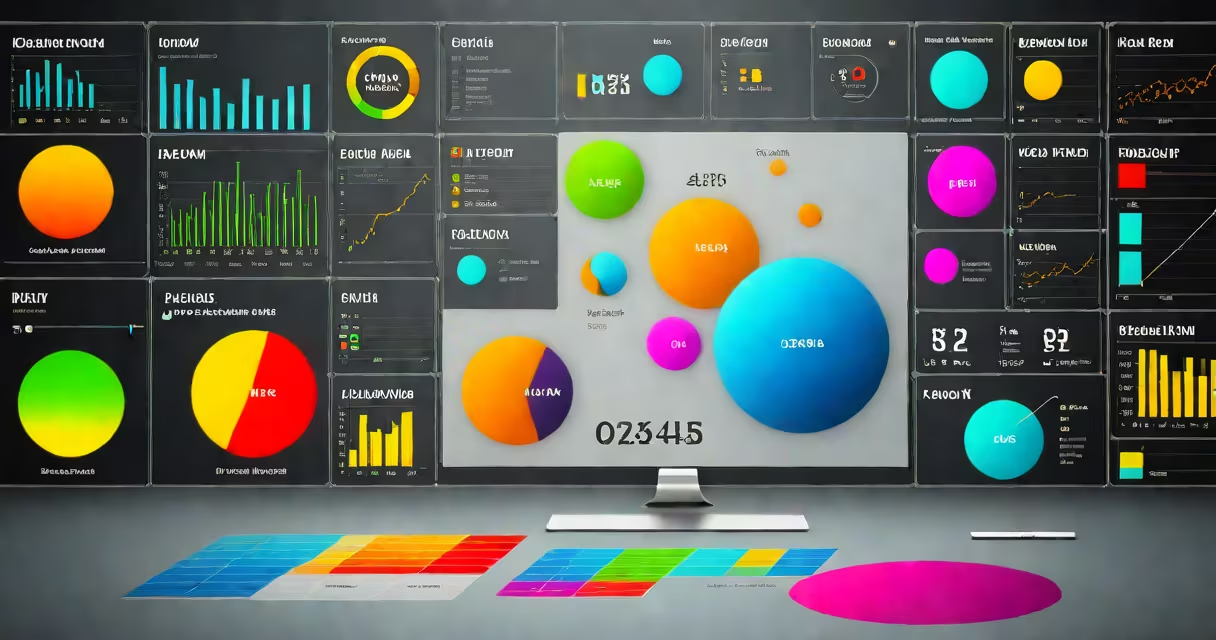
Data insights are meaningful conclusions drawn from analyzing raw data, revealing trends, patterns, or relationships that inform decision-making. They change complex datasets into actionable information.
Data insights start with collecting relevant data, then cleaning and organizing it. Analytical tools process this data to identify trends, correlations, or anomalies. Finally, these findings are visualized and interpreted to support strategic actions.
For example, an e-commerce company might analyze customer purchase data to discover that sales spike on weekends. This insight could lead to adjusting marketing strategies to focus on weekend promotions.
Data insights fall into several categories:
Businesses across industries use data insights to improve operations, improve customer experiences, and drive growth. For instance, healthcare providers use patient data insights to personalize treatment plans, while financial institutions use them to detect fraud.
One common misconception is that data insights are only valuable for large corporations. Small businesses also benefit. A local café might use data insights to determine peak hours, adjust staffing accordingly, and increase efficiency.
Data insights remove guesswork from decision-making by providing evidence-based recommendations. For example, a marketing team might use data insights to determine which social media platforms generate the most engagement, then allocate resources accordingly.
According to a study by McKinsey, companies that use data insights are 23 times more likely to acquire customers, six times as likely to retain customers, and five times as likely to be in the top quartile of financial performance. This underscores the competitive advantage of using data insights.
While data insights are useful, they require accurate and relevant data to be effective. Poor-quality data can lead to misleading insights. Ensuring data integrity is important for reliable analysis.