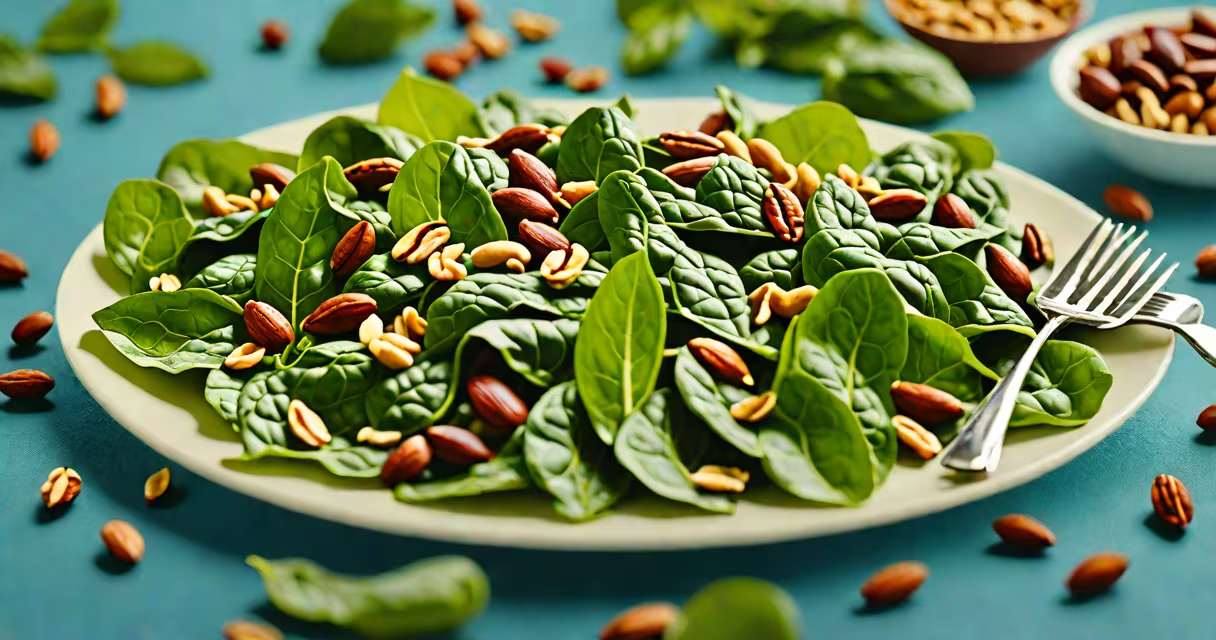
High oxalate foods are those containing significant amounts of oxalates, a naturally occurring compound that can contribute to kidney stone formation in susceptible individuals. These foods include leafy greens, nuts, and certain beans.
Oxalates bind with minerals like calcium to form crystals, which can accumulate as kidney stones in some people. Most healthy individuals excrete excess oxalates through urine without issues. However, those prone to kidney stones may need to monitor their oxalate intake.
The following table categorizes common high oxalate foods:
| Food Category | Examples | Oxalate Content (mg per 100g) |
|---|---|---|
| Leafy Greens | Spinach, Swiss chard, beet greens | 620-1,000 |
| Nuts and Seeds | Almonds, peanuts, sesame seeds | 150-2,500 |
| Beans and Legumes | Soybeans, black beans, navy beans | 60-150 |
| Other Vegetables | Potatoes, sweet potatoes, beets | 20-100 |
Dietary oxalates play a important role in kidney health. The National Kidney Foundation notes that while most people can handle oxalates, those with a history of kidney stones should limit their intake. For example, a single cup of cooked spinach contains about 755 mg of oxalates, higher than many other vegetables.
Many assume all leafy greens are equally high in oxalates. However, kale and collard greens have lower levels (around 100-200 mg per 100g) compared to spinach., cooking methods like boiling can reduce oxalate content by leaching them into the water.
I once tested this by boiling spinach and measuring the oxalate levels in both the cooked leaves and the water. The boiled leaves retained about 50% of their original oxalate content, while the water contained the rest.
Consulting a healthcare provider or dietitian is essential for personalized advice, especially for individuals with kidney disease or a history of kidney stones. More on this here.