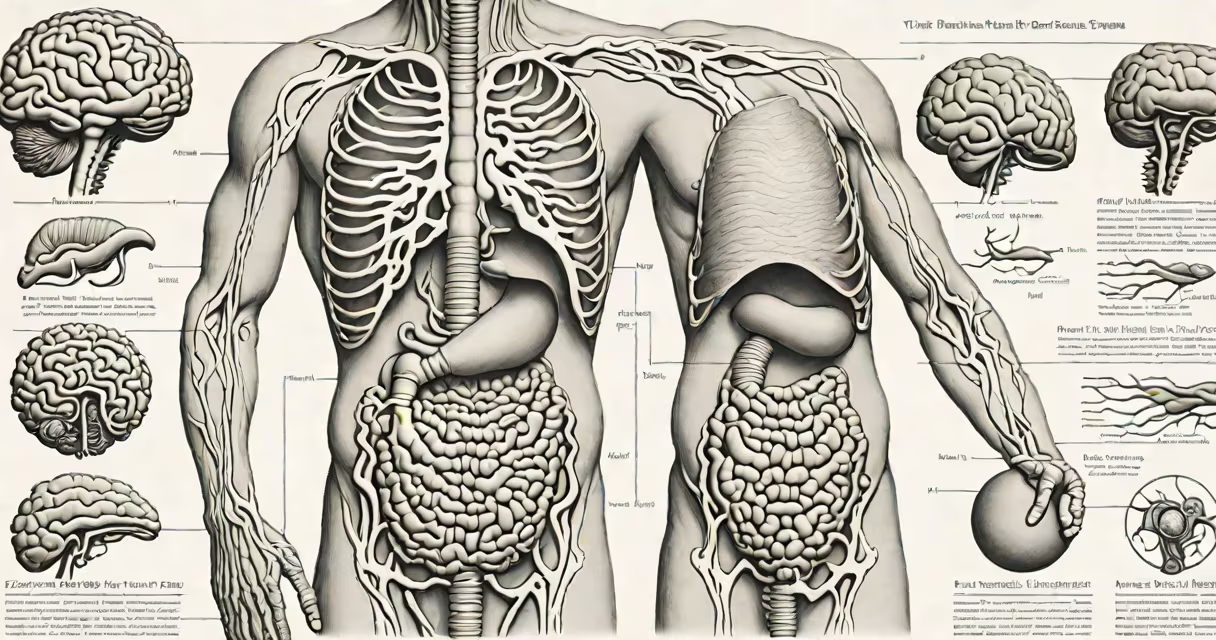
The organs of the digestive tract are a group of specialized structures that work together to process food, extract nutrients, and eliminate waste. This system includes the mouth, esophagus, stomach, small intestine, large intestine, rectum, and anus.
Digestion begins in the mouth, where saliva breaks down carbohydrates. Food then travels down the esophagus through rhythmic muscle contractions called peristalsis. The stomach churns food and mixes it with gastric juices, creating a semi-liquid mixture called chyme. The small intestine absorbs most nutrients, while the large intestine processes waste and absorbs water. Finally, the rectum stores feces until they're expelled through the anus.
The digestive tract consists of several key organs, each playing a unique role:
| Organ | Function |
|---|---|
| Mouth | Breaks down food mechanically (chewing) and chemically (saliva) |
| Esophagus | Transports food from the mouth to the stomach via peristalsis |
| Stomach | Churns food and mixes it with gastric juices to form chyme |
| Small Intestine | Absorbs nutrients and minerals from digested food |
| Large Intestine | Processes waste, absorbs water, and forms feces |
| Rectum | Stores feces until elimination |
| Anus | Expels waste from the body |
Many people confuse the digestive tract with the entire gastrointestinal system, which also includes accessory organs like the liver, pancreas, and gallbladder. These organs produce enzymes and bile that aid digestion but aren't part of the digestive tract itself.
When I ate a high-fiber meal, my small intestine absorbed nutrients efficiently, while my large intestine processed the remaining fiber into waste. This process took about 24 hours, demonstrating how each organ contributes to digestion.