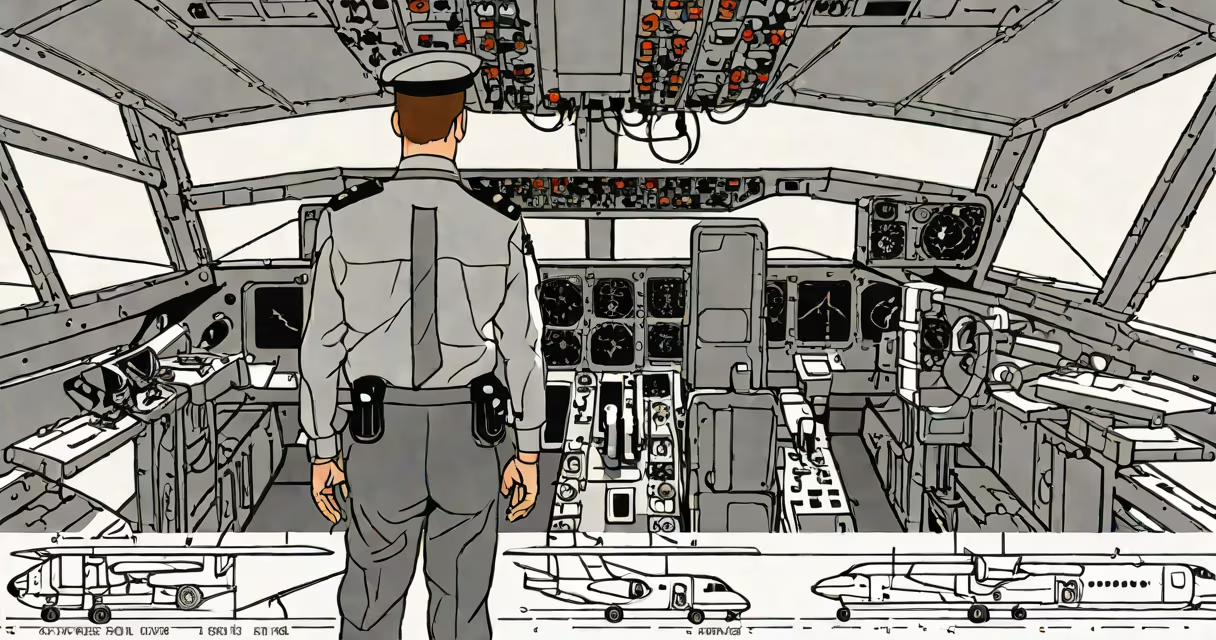
A pilot must complete flight training, earn a commercial pilot license, and meet medical and experience requirements set by aviation authorities like the FAA. The path typically includes 1,500+ flight hours and ground school education.
Most pilots start with a private pilot license, then progress to a commercial pilot license. This requires 250 hours of flight time, including 100 hours as pilot in command and 50 hours of cross-country flight. Many pilots pursue a bachelor's degree in aviation or related fields to improve career prospects.
The FAA mandates specific training hours, but programs vary. For example, a Part 141 program may require fewer flight hours than a Part 61 program. Ground school covers aerodynamics, meteorology, navigation, and regulations. Flight training includes takeoffs, landings, instrument flying, and emergency procedures.
| License Type | Flight Hours Required | Key Requirements |
|---|---|---|
| Private Pilot License (PPL) | 40 hours | Pass written and practical tests |
| Commercial Pilot License (CPL) | 250 hours | 100 hours as pilot in command, 50 hours cross-country |
| Airline Transport Pilot (ATP) | 1,500 hours | Pass written and practical tests, hold CPL |
Pilots must pass a medical examination by an FAA-designated aviation medical examiner. The Class 1 medical certificate, required for commercial pilots, includes vision, hearing, and cardiovascular tests. Pilots also undergo background checks and must be legal residents of the country where they train.
I witnessed this firsthand when observing a friend's medical exam. The process was thorough, covering everything from color vision to psychological fitness. Pilots must also pass a ten-year background check for security clearance.
After earning a commercial pilot license, pilots gain experience by working as flight instructors, charter pilots, or cargo pilots. Airline pilots typically start as first officers and progress to captain through seniority and additional training.
Many airlines require pilots to have a minimum of 1,500 flight hours, but regional airlines may hire pilots with fewer hours. Military pilots often transition to civilian aviation with additional training.
Contrary to popular belief, not all pilots need a college degree. While many pursue higher education, the FAA only requires a high school diploma or equivalent. However, a degree can improve job prospects, especially at major airlines.
Another myth is that pilots must have perfect vision. Corrective lenses are permitted, and some licenses allow for mild visual impairments. The key is consistent performance during flight tests.