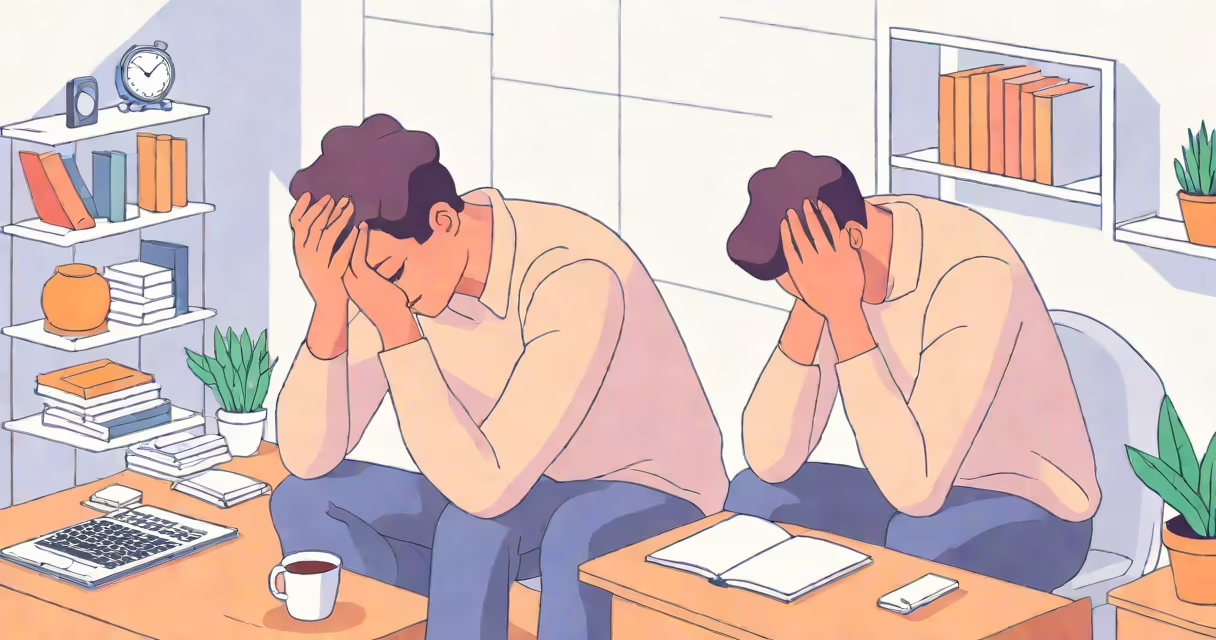
Anxiety causes both short-term and long-term physical and psychological side effects, ranging from mild discomfort to severe health risks. These symptoms arise from the body's stress response system.
When you experience anxiety, your brain triggers the release of stress hormones like cortisol and adrenaline. This activates the "fight-or-flight" response, causing immediate physical reactions. Over time, chronic anxiety can lead to lasting damage.
Anxiety side effects fall into two broad categories: physical and psychological. Some symptoms appear suddenly during panic attacks, while others develop gradually with long-term anxiety.
| Physical Side Effects | Psychological Side Effects |
|---|---|
| Rapid heartbeat | Persistent worry |
| Shortness of breath | Irritability |
| Muscle tension | Difficulty concentrating |
| Digestive issues | Restlessness |
| Fatigue | Sleep disturbances |
Many people confuse normal stress responses with anxiety disorders. Occasional nervousness before a presentation differs from generalized anxiety disorder, which requires medical attention. Unlike temporary stress, anxiety disorders persist for six months or longer.
Chronic anxiety increases the risk of serious health conditions. According to the American Psychological Association, prolonged anxiety can contribute to cardiovascular disease, weakened immune function, and gastrointestinal disorders. Mental health professionals often recommend therapy and medication to manage these risks.
I once worked with a client who experienced constant stomach pain due to undiagnosed anxiety. After identifying the connection between their digestive issues and stress levels, we implemented relaxation techniques that improved their quality of life.
If anxiety side effects interfere with daily activities or last longer than six months, consult a healthcare professional. Early intervention can prevent long-term complications. Treatment options include cognitive-behavioral therapy, medication, and lifestyle changes.