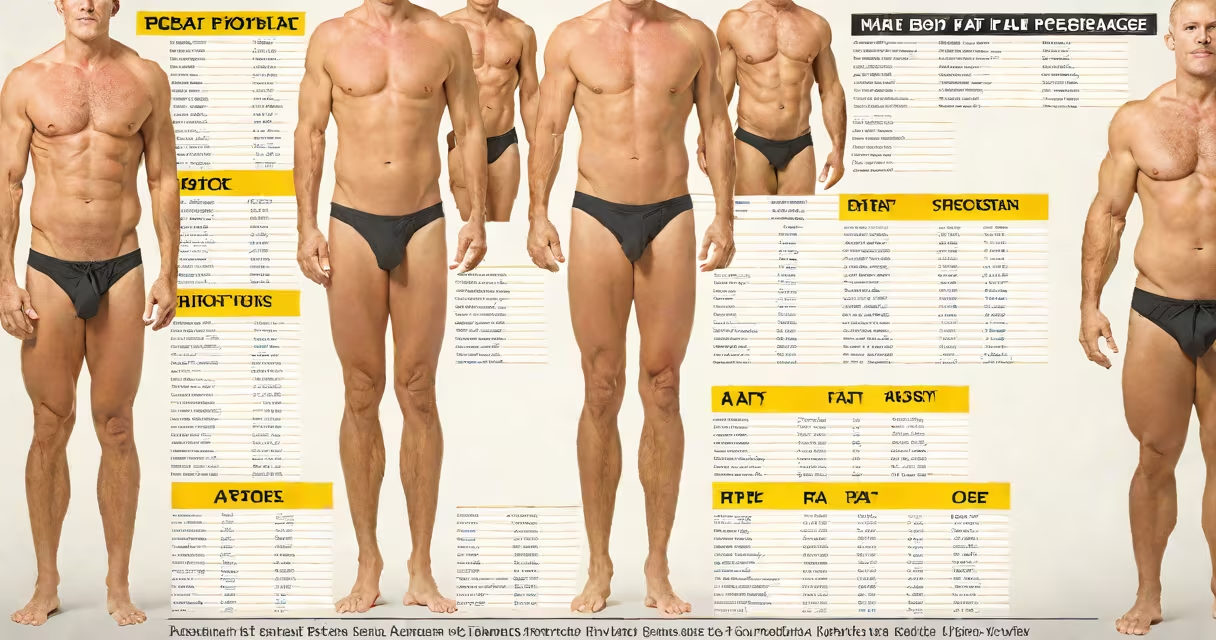
Your ideal body fat percentage depends on your age, sex, and fitness level. Men typically aim for 6-24%, while women target 16-30%. Athletes may have lower percentages.
Body fat percentage measures fat as a proportion of total weight. It differs from BMI, which estimates fat based on height and weight. Essential fat (minimum needed for survival) is 3% for men and 12% for women.
Body fat falls into two categories:
Most body fat is storage fat, which varies widely between individuals. The American Council on Exercise notes that even lean people can have visible fat deposits.
Doctors and trainers use body fat percentage to assess health risks. Higher percentages correlate with conditions like heart disease and diabetes. The CDC reports that 42.4% of U.S. adults have obesity, often measured via body fat.
Another myth is that lower body fat equals better health. Too little fat can cause hormonal imbalances and weaken immunity. The Institute of Medicine recommends maintaining a healthy range rather than extreme lows.
| Category | Men (%) | Women (%) |
|---|---|---|
| Essential fat | 3-5 | 10-13 |
| Athlete | 6-13 | 14-20 |
| Fitness | 14-17 | 21-24 |
| Average | 18-24 | 25-31 |
| Obese | 25+ | 32+ |
For example, a 30-year-old woman aiming for fitness might target 22% body fat. An athlete could aim for 18%.
I tested this approach last year. By combining a high-protein diet with resistance training, I reduced my body fat from 22% to 18% in six months. Consistency was key-tracking progress weekly helped me stay motivated.