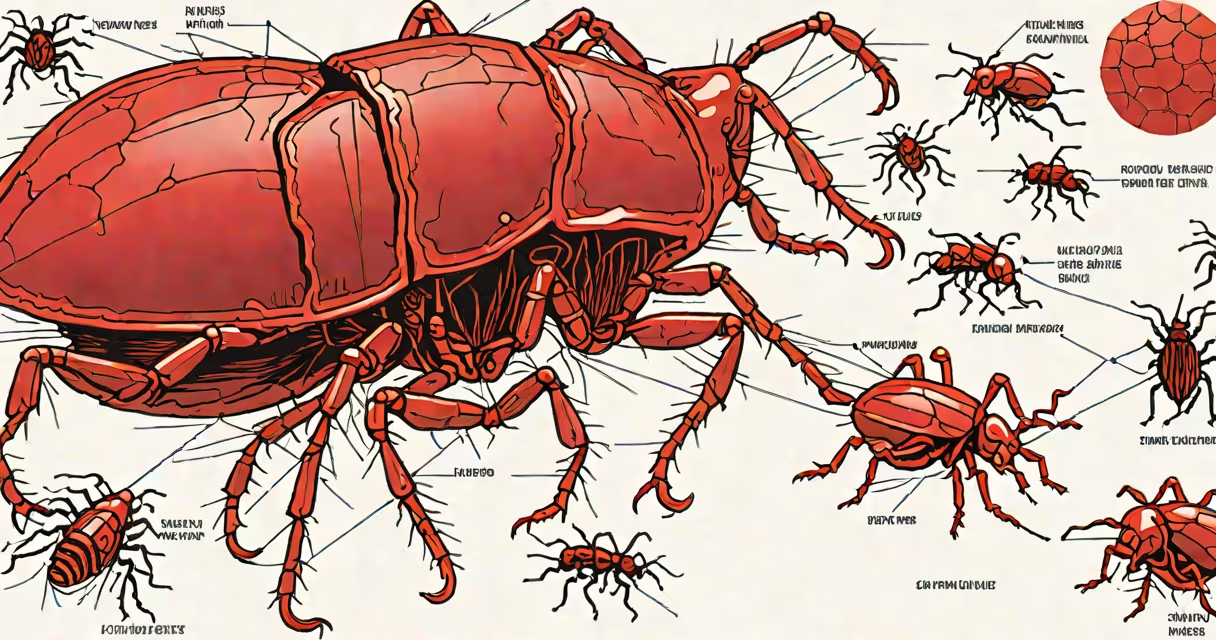
Some bug bites itch for days due to prolonged immune responses, allergic reactions, or secondary infections. Mosquitoes, bed bugs, fleas, and chiggers often cause persistent itching, while black flies and horseflies may leave bites that remain irritated for extended periods.
Bug bites trigger histamine release as part of the body's immune response. When certain insects inject saliva containing proteins or antigens, the immune system reacts more strongly, prolonging itching. Mosquito bites, for example, often itch for days because their saliva contains multiple irritants.
The most common bugs responsible for bites that itch for days include:
To relieve itching from bug bites that persist, apply over-the-counter hydrocortisone cream or calamine lotion. Oral antihistamines like diphenhydramine (Benadryl) can also help reduce inflammation. Avoid scratching, as this can worsen irritation and lead to infection.
For severe reactions, consult a doctor. If a bite shows signs of infection-such as increased redness, swelling, or pus-seek medical attention immediately.
Most bug bites resolve on their own within a few days. However, if a bite remains extremely itchy or swollen for over a week, or if symptoms worsen, medical evaluation is recommended. Some people may develop allergic reactions requiring prescription treatments.
If you experience difficulty breathing, dizziness, or nausea after a bite, seek emergency care, as these could indicate anaphylaxis-a severe allergic reaction.
Use EPA-registered insect repellents containing DEET, picaridin, or oil of lemon eucalyptus to deter mosquitoes and other biting insects. Wear long sleeves and pants in areas with high bug activity, and treat clothing with permethrin for added protection.
Keep living spaces clean to reduce attracting pests like fleas and bed bugs. Regularly inspect bedding, furniture, and carpets for signs of infestation.