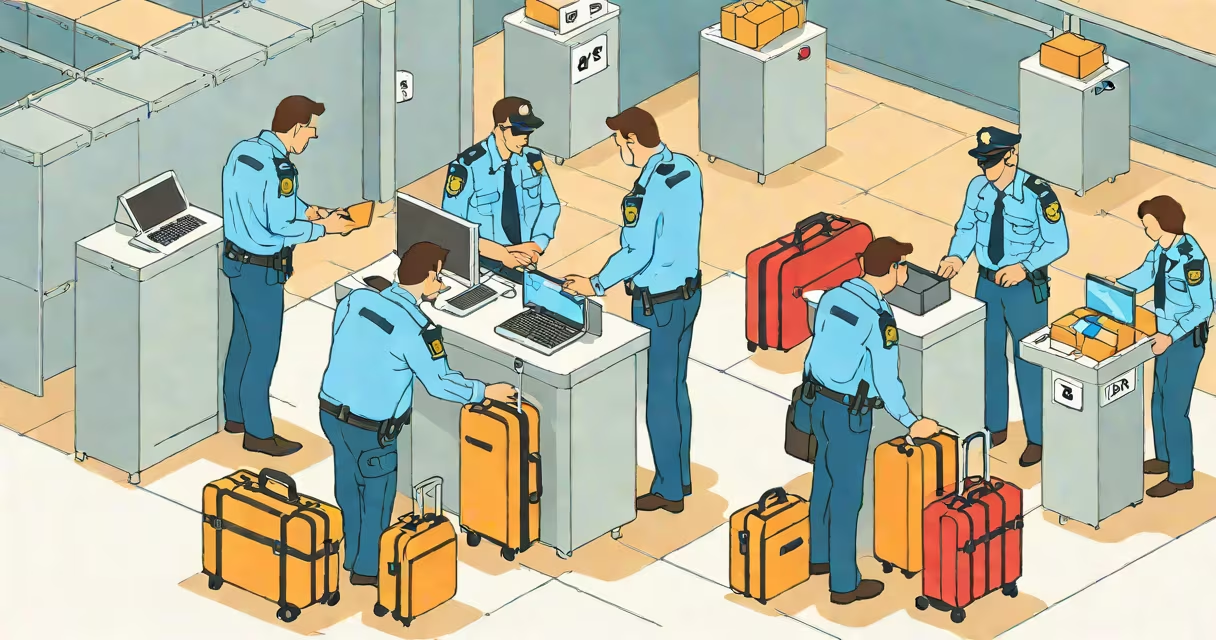
Carry-on luggage is limited to one bag plus a personal item (like a purse or laptop bag) per passenger, with maximum dimensions of 22x14x9 inches (56x36x23 cm) for most airlines. The TSA enforces strict rules about what can go inside.
The TSA's 3-1-1 rule governs liquids, gels, and aerosols: containers must be 3.4 ounces (100ml) or smaller, placed in a single quart-sized clear plastic bag, with one bag per passenger. This applies to all liquids, including beverages, toiletries, and creams.
Electronics larger than a cell phone (laptops, tablets, cameras) must be removed from bags and placed in separate bins during screening. Prohibited items like firearms, pepper spray, and flammable materials are never allowed in carry-ons.
| Category | Allowed | Restrictions |
|---|---|---|
| Liquids | Yes | 3.4 oz (100ml) max per container, 1 quart-sized bag |
| Electronics | Yes | Larger devices must be removed for screening |
| Food | Yes | Solid foods allowed; liquids subject to 3-1-1 rule |
| Medications | Yes | Unlimited quantities if medically necessary |
| Baby Supplies | Yes | Formula, breast milk, and juice exempt from 3-1-1 rule |
TSA regulations aim to balance security and convenience. The 3-1-1 rule was introduced in 2006 after liquid bomb plots, while electronic screening helps detect concealed threats. Airlines enforce size limits to ensure bags fit overhead compartments.
A common mistake is assuming all liquids are banned-medications, baby formula, and duty-free purchases (if sealed) have exceptions. Some airlines allow slightly larger carry-ons, but TSA rules apply universally at U.S. airports.
Many travelers assume small tools or sports equipment are always allowed, but items like pocket knives, baseball bats, and golf clubs are prohibited. Similarly, some think medications don't count toward liquid limits-while large quantities are permitted, they must be declared if they trigger alarms.
I once packed a travel-sized shampoo in my carry-on, only to realize it exceeded the 3.4-ounce limit at security. The TSA agent confiscated it, reinforcing how strictly they enforce the rules.
Jane is packing for a flight and wants to bring: