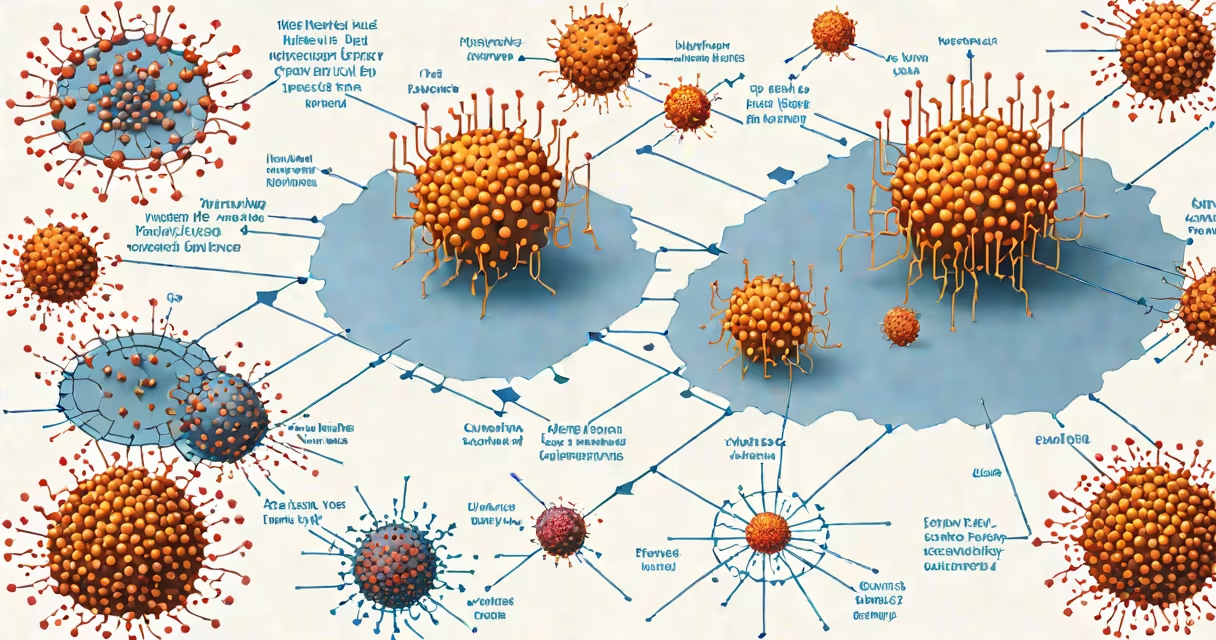
Herpes flare-ups occur when the herpes simplex virus (HSV) reactivates, typically causing painful sores. These outbreaks happen due to triggers that weaken immune defenses or disrupt viral latency.
The herpes simplex virus remains dormant in nerve cells after initial infection. When triggered, it travels along nerves to the skin, causing visible sores. Common triggers include stress, illness, and sun exposure.
Herpes flare-ups stem from internal and external factors. Internal triggers often relate to health changes, while external ones involve environmental conditions.
| Internal Triggers | External Triggers |
|---|---|
| Stress (physical or emotional) | Sunlight (UV exposure) |
| Illness or fever | Trauma or injury to the skin |
| Hormonal changes (menstruation, pregnancy) | Extreme weather (heat or cold) |
| Weakened immune system | Chemical irritants (soaps, lotions) |
Managing herpes involves avoiding known triggers and maintaining health. For example, using sunscreen daily can prevent UV-induced outbreaks. Antiviral medications like acyclovir can reduce flare-up frequency and severity.
I once helped a friend track their outbreaks for six months. They noticed flare-ups always followed intense work deadlines and sunburn. Adjusting their schedule and using SPF 50 reduced their outbreaks by 60%.
Consult a healthcare provider if flare-ups become frequent, severe, or fail to respond to treatment. Persistent outbreaks may indicate a weakened immune system or need for adjusted medication.