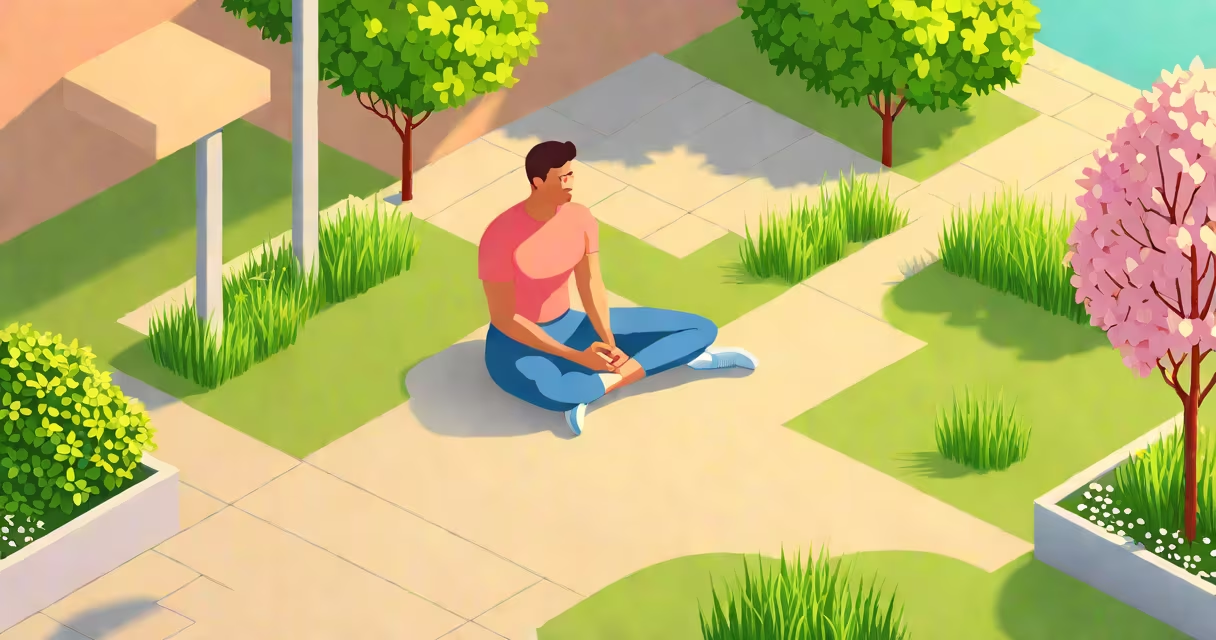
What can calm anxiety includes deep breathing, mindfulness, and physical activity-evidence-based techniques proven to reduce symptoms quickly. These methods work by activating the parasympathetic nervous system, which counters the body's fight-or-flight response.
Anxiety triggers the release of stress hormones like cortisol and adrenaline. Techniques that calm anxiety interrupt this cycle by promoting relaxation. Deep breathing, for example, lowers heart rate and blood pressure, signaling safety to the brain.
The most effective techniques fall into three categories:
These methods are used in therapy, self-help, and crisis situations. Cognitive Behavioral Therapy (CBT) often incorporates them to manage anxiety disorders. Even in high-stress environments like hospitals or schools, quick calming techniques help maintain composure.
Many believe that avoiding stress entirely is the solution. However, exposure to mild stress builds resilience. Another myth is that medication is the only effective treatment-non-pharmacological methods like meditation and exercise are equally useful.
For instance, a study published in JAMA Internal Medicine found that mindfulness meditation reduced anxiety symptoms by 38%. Similarly, research from Harvard Medical School shows that regular aerobic exercise can be as effective as antidepressants for some people.
I've used the 4-7-8 breathing method-a technique where you inhale for 4 seconds, hold for 7, and exhale for 8-to calm myself before public speaking. It works by extending the exhale, which signals the nervous system to relax.