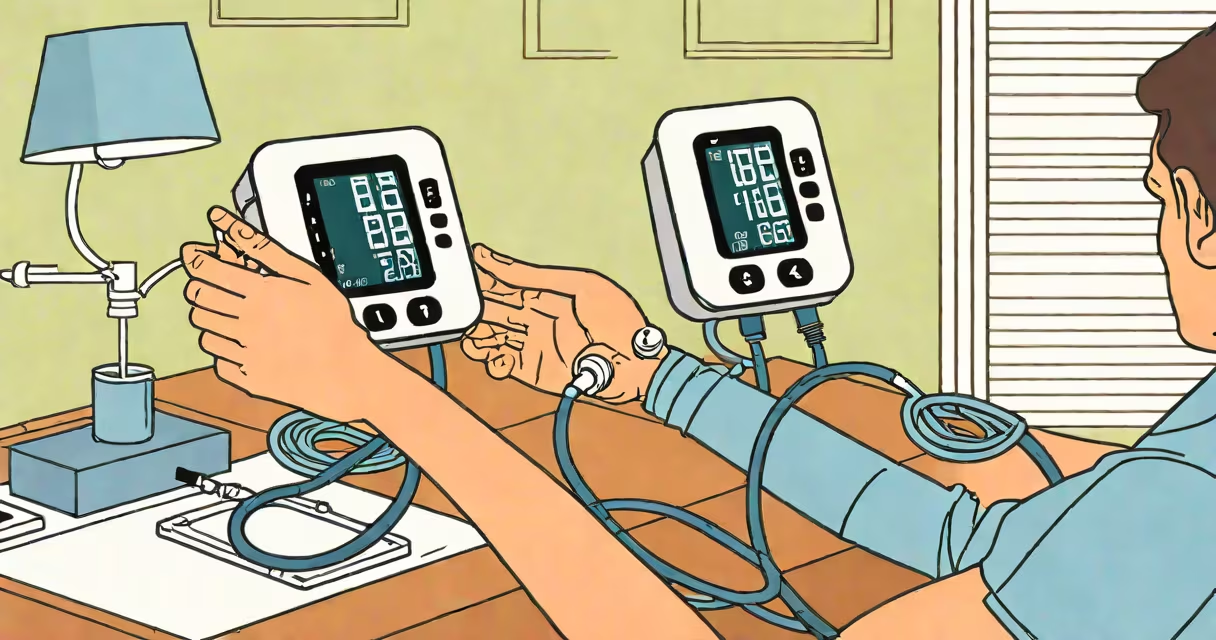
Lifestyle changes, medications, and natural remedies can lower blood pressure. These methods reduce strain on your heart and arteries.
Blood pressure measures the force of blood against artery walls. It's recorded as systolic (pressure during heartbeat) over diastolic (pressure between beats). Normal readings are below 120/80 mmHg. High blood pressure, or hypertension, damages arteries over time, increasing risks for heart disease and stroke.
Effective treatments fall into three categories: medications, lifestyle changes, and natural remedies. The best approach often combines all three.
| Category | Examples | Effectiveness |
|---|---|---|
| Medications | ACE inhibitors, beta-blockers, diuretics | High (prescribed based on severity) |
| Lifestyle Changes | Exercise, diet, stress management | Moderate to high (long-term benefits) |
| Natural Remedies | Herbal supplements, relaxation techniques | Varies (best as complementary treatments) |
Small adjustments to daily habits can impact blood pressure. The DASH diet, rich in fruits, vegetables, and low-fat dairy, is one of the most effective dietary approaches. Regular aerobic exercise, such as brisk walking or cycling, strengthens the heart and improves circulation. Reducing sodium intake and limiting alcohol consumption also play key roles.
A study published in the Journal of the American Heart Association found that people who followed the DASH diet lowered their systolic blood pressure by 11 mmHg on average. Exercise reduces systolic blood pressure by 5-8 mmHg over time.
Doctors prescribe medications when lifestyle changes aren't enough. Common types include ACE inhibitors, which relax blood vessels, and beta-blockers, which slow heart rate. Diuretics help kidneys remove excess sodium and fluid. Clonidine, a less common option, works by reducing nerve signals that tighten blood vessels (see here).
According to the American Heart Association, about 75% of people with high blood pressure need medication to control it. However, many patients combine medications with lifestyle changes for better results.
Some people turn to natural remedies like garlic extract, hibiscus tea, or meditation. While these may offer mild benefits, they shouldn't replace prescribed treatments. A 2019 review in The Journal of Clinical Hypertension found that garlic supplements reduced systolic blood pressure by about 16 mmHg-but only in short-term studies. Long-term effects remain unclear.
Relaxation techniques, such as deep breathing or yoga, can help manage stress-related spikes in blood pressure. However, their effects are temporary and vary by individual.
Many believe that cutting out salt entirely will fix high blood pressure. While reducing sodium helps, eliminating it entirely can disrupt electrolytes. Another myth is that only older adults need to worry about hypertension. In reality, high blood pressure affects people of all ages, including children.
I once worked with a client who swore by apple cider vinegar for lowering blood pressure. While it may have minor benefits, it's no substitute for proven methods. Always consult a doctor before trying unproven remedies.
High blood pressure is manageable with the right approach. Combining medications, lifestyle changes, and natural remedies offers the best chance of long-term success.