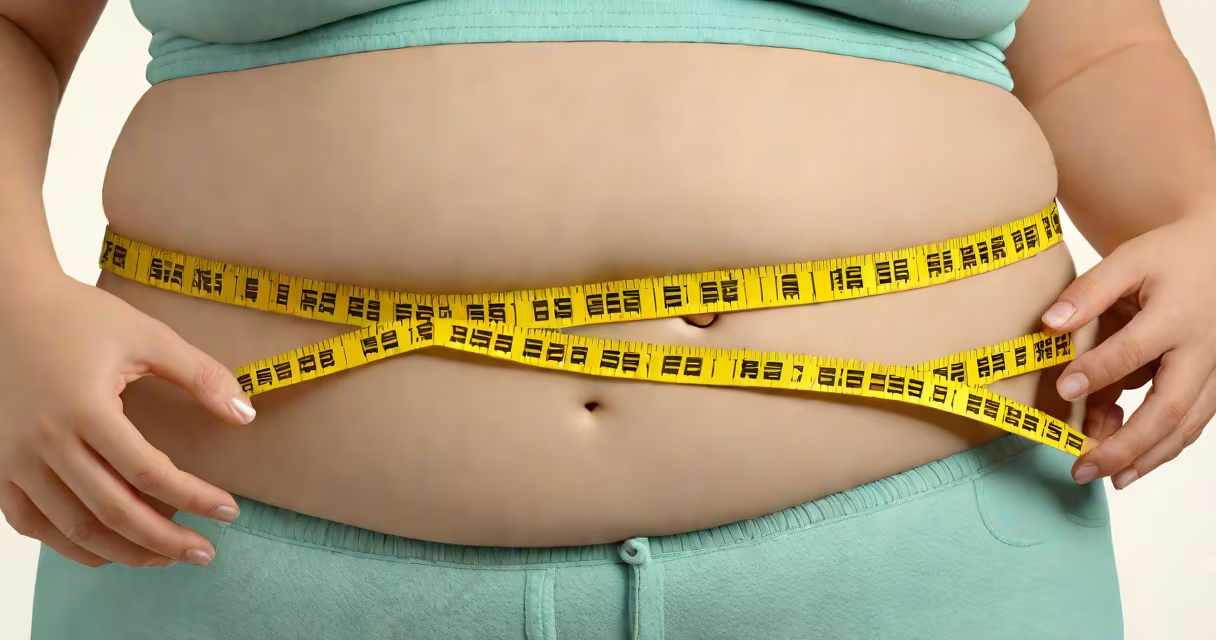
To reduce belly fat, combine proven supplements like green tea extract and conjugated linoleic acid (CLA) with a calorie-controlled diet and strength training. These methods target visceral fat, which surrounds organs and poses health risks.
Belly fat, especially visceral fat, responds to sustained calorie deficits created by diet and exercise. Supplements may improve fat oxidation or appetite control, but they're not magic solutions. The Mayo Clinic notes that spot reduction is a myth-fat loss happens uniformly across the body.
| Type | Location | Risk Level |
|---|---|---|
| Visceral fat | Surrounds organs | High (linked to diabetes, heart disease) |
| Subcutaneous fat | Under the skin | Lower (cosmetic concern) |
Green tea extract contains catechins that boost metabolism by 3-4%. CLA, found in dairy and beef, may reduce body fat by 0.1 lbs per week in overweight individuals, per a study in the Journal of International Medical Research. Other options include caffeine (5-10% metabolism boost) and soluble fiber (appetite suppression).
A high-protein diet preserves muscle during fat loss. Strength training builds lean mass, increasing calories burned at rest. Harvard Health suggests combining cardio (like brisk walking) with resistance exercises for optimal results. One study found that participants lost 2% more body fat combining both methods.
Many believe abdominal exercises alone flatten stomachs, but spot reduction doesn't work. Core work strengthens muscles but doesn't burn belly fat faster. Another myth is that fat-burning supplements replace diet and exercise-they only offer marginal benefits.
I've seen clients lose 1-2 inches off their waists in a month by combining CLA supplements, a low-carb diet, and daily strength training. Consistency matters more than quick fixes.