To stop sugar cravings, balance blood sugar levels through protein-rich meals, fiber intake, and hydration while addressing emotional triggers and sleep patterns. These steps disrupt the cycle of cravings.
Sugar cravings stem from fluctuations in blood sugar levels, often triggered by low-protein diets, stress, or inadequate sleep. When blood sugar drops, the body seeks quick energy from sugar. Emotional factors like stress or boredom can also trigger cravings.
Cravings fall into two categories: physical and emotional. Physical cravings result from biological needs, such as low blood sugar or nutrient deficiencies. Emotional cravings arise from stress, anxiety, or habit. Recognizing the type helps tailor solutions.
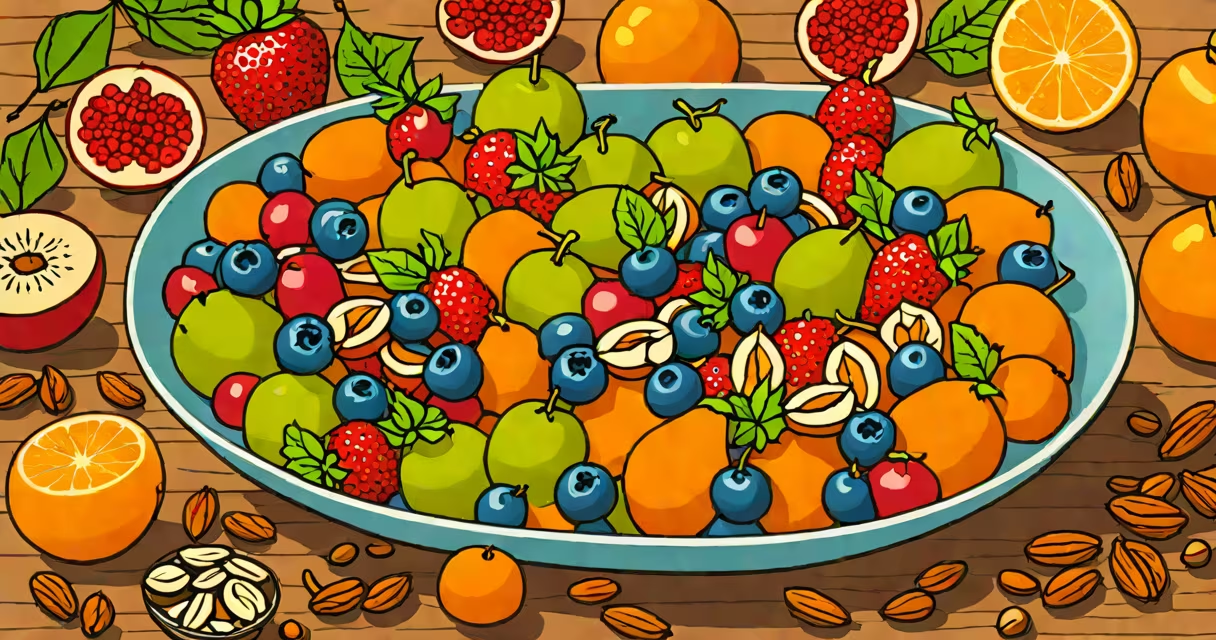
Eat balanced meals with protein, fiber, and healthy fats to stabilize blood sugar. Drink water to distinguish thirst from hunger. Manage stress through mindfulness or exercise. Prioritize sleep, as fatigue increases cravings. Replace sugary snacks with fruits, nuts, or dark chocolate.
For example, swapping a candy bar for a handful of almonds provides sustained energy without sugar spikes. I've found that keeping cut-up vegetables within reach helps curb cravings between meals.
Many believe eliminating sugar entirely stops cravings, but this often backfires, leading to intense cravings. Instead, gradual reduction and healthier alternatives work better. Another myth is that cravings are purely physical; emotional triggers play a significant role.
According to Harvard Health, stress hormones like cortisol can increase sugar cravings. Addressing stress through relaxation techniques reduces these cravings.
If cravings persist despite lifestyle changes, consult a healthcare provider. Underlying conditions like diabetes or hormonal imbalances may require medical intervention. A registered dietitian can offer personalized advice.