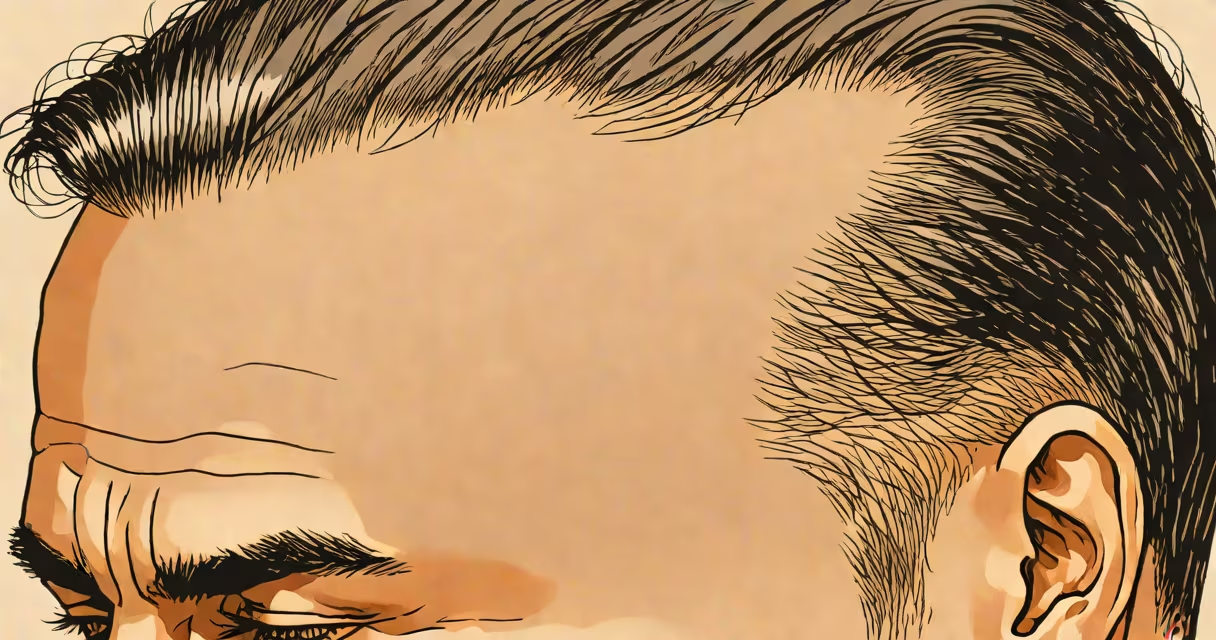
A receding hairline is gradual hair loss at the front of the scalp, often forming an "M" shape. It typically results from genetic factors, hormonal changes, or aging. Treatment options range from medical therapies to lifestyle changes.
Most cases stem from androgenetic alopecia, where hair follicles shrink due to sensitivity to dihydrotestosterone (DHT). This common condition affects about 50% of men over 50 and many women post-menopause. Other causes include stress, poor nutrition, or autoimmune conditions like alopecia areata.
| Type | Description | Common Age Range |
|---|---|---|
| Juvenile | Early onset, often hereditary | Teens to early 20s |
| Mature | Standard pattern progression | 30s to 50s |
| Diffuse | Thinning across entire scalp | 40s and older |
FDA-approved treatments include minoxidil (a topical solution) and finasteride (an oral medication). Minoxidil works by stimulating hair follicles, while finasteride reduces DHT levels. Both require consistent use for visible results, typically within 3-6 months.
Low-level laser therapy (LLLT) devices like caps or combs may promote hair growth by increasing blood flow to follicles. Professional procedures include platelet-rich plasma (PRP) therapy and hair transplant surgery, which involves relocating healthy follicles to thinning areas.
Balanced nutrition with adequate protein, iron, zinc, and vitamins supports hair health. Regular exercise improves circulation, potentially benefiting follicle function. Managing stress through mindfulness practices may prevent stress-related hair loss. Avoiding tight hairstyles and harsh chemical treatments prevents additional damage.
If hair loss occurs suddenly, in patches, or with other symptoms like itching or pain, consult a dermatologist. A professional can diagnose underlying conditions and recommend appropriate treatments. For genetic cases, early intervention often yields better results.
I noticed my hairline receding in my late 20s. After consulting a dermatologist, I started using minoxidil and adjusted my diet. Within six months, I saw noticeable improvement in thickness and coverage. Consistency is key with these treatments.