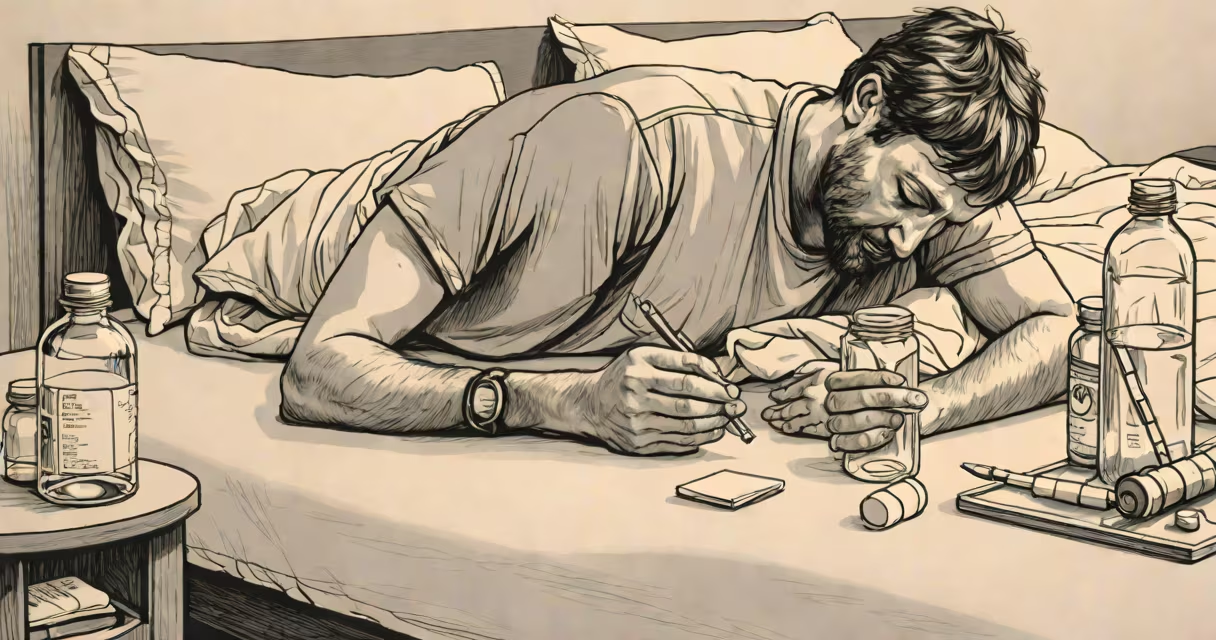
Food poisoning occurs when consuming contaminated food causes gastrointestinal illness. Immediate actions can ease symptoms and prevent dehydration.
Foodborne pathogens like bacteria, viruses, or parasites produce toxins that irritate the digestive tract. Symptoms appear within hours or days of exposure.
Common culprits include Salmonella, E. coli, and norovirus. The CDC estimates 48 million Americans experience food poisoning yearly.
| Type | Common Causes | Onset Time |
|---|---|---|
| Staphylococcal | Staphylococcus aureus | 1-6 hours |
| Salmonellosis | Salmonella bacteria | 6-48 hours |
| E. coli infection | Escherichia coli | 1-8 days |
Symptoms typically include nausea, vomiting, diarrhea, abdominal cramps, and fever. Most cases resolve within a few days, but severe cases require medical attention.
Rest and hydration are critical. Sip small amounts of water frequently to prevent dehydration. Oral rehydration solutions with electrolytes work better than plain water.
Avoid caffeine, alcohol, and sugary drinks, which worsen dehydration. Over-the-counter medications like loperamide (Imodium) may stop diarrhea, but consult a doctor first.
I once helped a friend recover by preparing ginger tea and encouraging them to rest. Ginger tea soothes nausea naturally.
Seek immediate care if symptoms persist beyond 48 hours, blood appears in vomit or stool, or signs of severe dehydration occur. Infants, elderly individuals, and pregnant women should seek medical advice promptly.
Wash hands thoroughly before eating or handling food. Cook food to safe temperatures and avoid cross-contamination. Store leftovers properly and consume them within recommended time frames.
When in doubt, throw it out. Proper food handling reduces the risk of contamination.