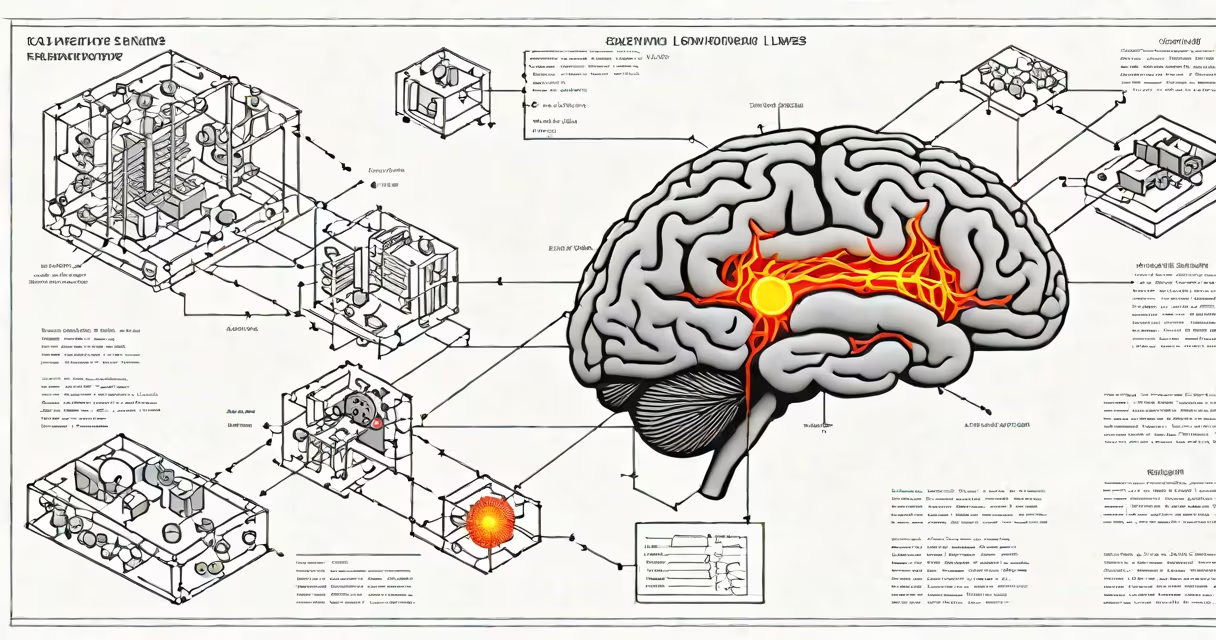
Low serotonin levels can cause mood disorders, anxiety, and digestive problems. Serotonin, a neurotransmitter, regulates mood, sleep, appetite, and digestion. Imbalances often result from genetic factors, poor diet, or chronic stress.
Serotonin transmits signals between nerve cells, influencing emotional well-being and physical functions. About 90% of serotonin resides in the gut, where it aids digestion and nutrient absorption. The remaining 10% affects brain functions like mood regulation and sleep cycles.
| Type | Primary Effects |
|---|---|
| Mood-related | Depression, anxiety, irritability |
| Digestive | Bloating, constipation, diarrhea |
| Sleep-related | Insomnia, restless sleep |
Symptoms vary but often include persistent sadness, low energy, and digestive discomfort. Anxiety and sleep disturbances are also common. Severe imbalances may lead to depression or obsessive-compulsive disorder (OCD).
A friend once described their low serotonin symptoms as feeling "like a fog that never lifts." They experienced chronic fatigue and digestive issues alongside mood swings. After consulting a doctor, they adjusted their diet and exercise routine, which helped alleviate some symptoms.
Genetic predispositions, poor nutrition, and chronic stress often contribute to low serotonin. Aging and certain medications, like antidepressants, can also lower serotonin levels. Environmental factors, such as prolonged exposure to stress or trauma, further exacerbate imbalances.
Unlike low iron levels, which often stem from dietary deficiencies, low serotonin typically results from a combination of genetic, environmental, and lifestyle factors. Understanding these differences is important for effective treatment.
Treatment includes dietary changes, exercise, and medication. Foods rich in tryptophan, like turkey and bananas, can boost serotonin production. Regular exercise increases serotonin levels naturally. In severe cases, doctors prescribe selective serotonin reuptake inhibitors (SSRIs) to restore balance.
For those experiencing persistent symptoms, consulting a healthcare professional is essential. A balanced approach combining lifestyle changes and medical treatment often yields the best results.
If you suspect low serotonin levels, consider exploring what can cause low ferritin levels and what can cause low iron levels as part of a broader health assessment., understanding what would cause sodium levels to be low can provide insights into nutritional balance.