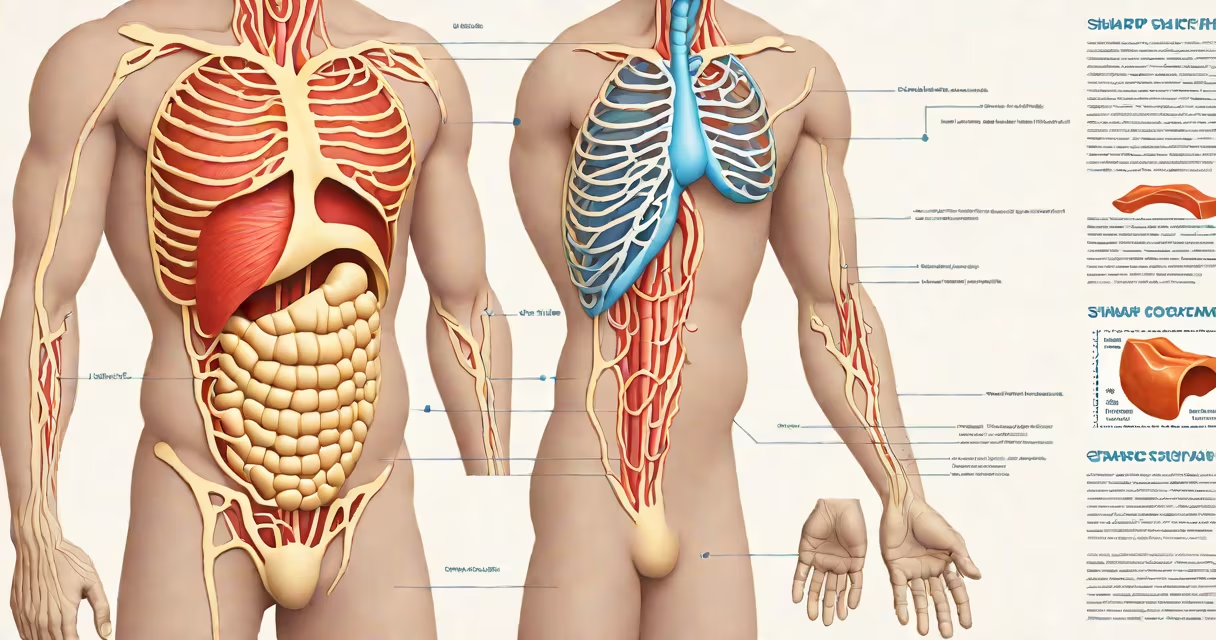
Sharp stomach pain often results from sudden contractions or irritation of the abdominal organs, including the stomach, intestines, or other structures. While many causes are minor, others require immediate medical attention.
Sharp pain typically feels sudden and localized, unlike dull aches that spread. The abdominal cavity contains organs, blood vessels, and nerves that can trigger pain when inflamed, stretched, or blocked. Pain receptors send signals to the brain, creating the sensation of discomfort.
The most common causes of sharp stomach pain fall into five categories:
| Type | Common Causes | Severity |
|---|---|---|
| Digestive Issues | Gas, bloating, indigestion, food poisoning | Mild to moderate |
| Infections | Stomach flu, urinary tract infections, appendicitis | Moderate to severe |
| Obstructions | Hernias, bowel obstructions, gallstones | Severe |
| Inflammatory Conditions | Irritable bowel syndrome (IBS), Crohn's disease | Moderate to severe |
| Other Medical Issues | Kidney stones, heart attacks, pancreatitis | Severe |
A study published in the journal Gastroenterology found that 10% of emergency room visits for abdominal pain were due to life-threatening conditions. Recognizing symptoms early can prevent complications.
I once experienced sharp pain in my upper abdomen after eating spicy food. Assuming it was just heartburn, I waited several hours before seeking help. A doctor diagnosed me with gastritis, an inflammation of the stomach lining caused by excessive acid. The condition resolved with medication and dietary changes, but the experience taught me the importance of evaluating stomach pain carefully.
To reduce the risk of sharp stomach pain, maintain a balanced diet, stay hydrated, and avoid overeating. Over-the-counter antacids can help with mild indigestion, but persistent pain should be evaluated by a healthcare professional. The American Gastroenterological Association recommends keeping a food diary to identify triggers for digestive issues.